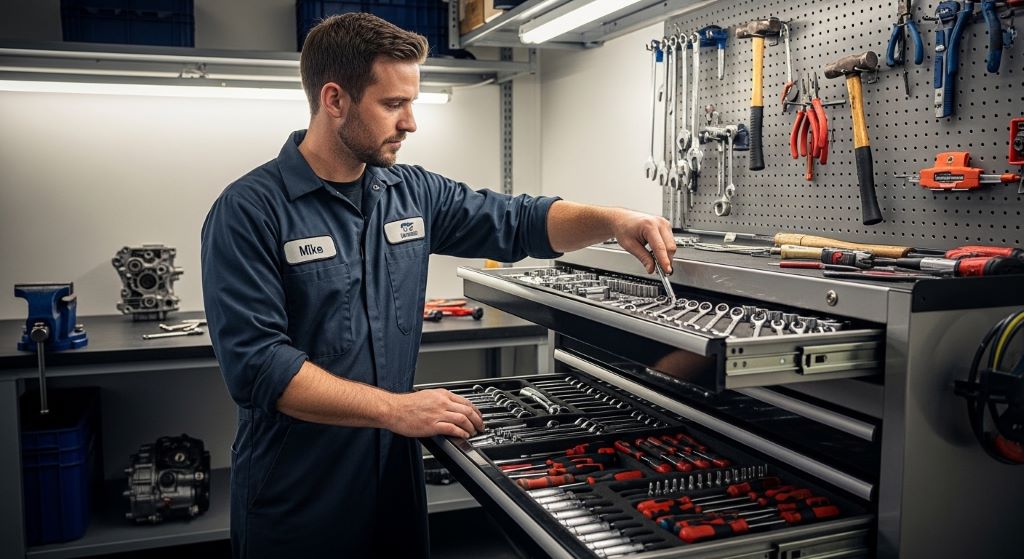
Building a high-performance workshop takes more than just space and enthusiasm. The tools you choose will shape the quality of your work, your safety, and your efficiency every single day. Whether you are a seasoned mechanic or setting up your first professional garage, selecting the right equipment is a decision that deserves careful thought.
This guide will walk you through the essential steps to make smart tool choices. You will learn what categories matter most, what features to prioritize, and how to build a setup that truly performs.
Why Your Tool Selection Defines Your Workshop
Every workshop is only as good as its tools. A skilled mechanic with poor equipment will struggle. However, a well-organized professional with the right gear can handle almost any job with confidence.
The tools you stock directly affect your speed, accuracy, and the quality of results you deliver. Therefore, treating your tool selection as a serious investment — rather than an afterthought — is the first step toward running a high-performance operation. Good tools also last longer, which means you spend less on replacements over time.
Start with a Clear Plan for Your Work Type
Before you buy anything, think carefully about what kind of work your workshop will handle. A shop focused on engine rebuilds needs different equipment than one that specializes in bodywork or electrical diagnostics.
Ask yourself a few key questions. What vehicles will you work on most often? Will you handle light passenger cars, heavy trucks, or both? Do you plan to offer general repairs or specialized services?
Answering these questions helps you build a focused, practical mechanic tools list that matches your actual needs. Additionally, it prevents you from wasting money on gear you will rarely use.
Essential Hand Tools Every Workshop Needs
Hand tools form the foundation of any professional setup. These are the items you will reach for dozens of times every day. Quality matters enormously here because poor hand tools wear out fast and can even damage the parts you are working on.
Here are the core hand tools every workshop should have:
- A complete socket set in both metric and standard sizes
- Combination wrenches ranging from small to large
- Screwdrivers in flathead and Phillips varieties, multiple sizes
- Pliers including needle-nose, slip-joint, and locking styles
- Hammers and mallets for different materials
- Hex key sets and Torx drivers for modern fasteners
- A quality torque wrench for precise tightening
Buy from reputable brands. Tools from companies like Snap-on, Craftsman, or Wera cost more upfront. However, they hold up under daily professional use far better than budget options.
Power Tools That Boost Workshop Efficiency
Hand tools handle precision work, but power tools dramatically cut your time on heavy jobs. A well-equipped professional workshop relies on a smart mix of both.
An air impact wrench is one of the most valuable power tools in any garage. It removes lug nuts and stubborn bolts in seconds. Pair it with a reliable air compressor that delivers consistent pressure and volume for your tools.
An angle grinder is another essential. It handles cutting, grinding, and surface prep quickly. Choose one with variable speed so you can match the power to the task.
A cordless drill and driver set rounds out your basic power tool needs. Modern cordless tools have become so powerful and long-lasting that many professionals now prefer them over corded options. Therefore, investing in a high-voltage cordless system from a trusted brand like Milwaukee or DeWalt is worth every dollar.
Diagnostic and Measuring Tools for Precision Work
Modern vehicles are complex machines. They rely on sophisticated electronics that simple hand tools cannot address. This is why diagnostic equipment has become a critical part of workshop tools for any professional shop.
A professional-grade OBD-II scanner is non-negotiable today. Entry-level scanners read basic fault codes. However, a quality professional scanner goes much further. It reads live data, performs system tests, and helps you pinpoint problems accurately.
Additionally, a digital multimeter is essential for electrical work. Choose one with a wide measurement range and clear display. A reliable multimeter helps you test circuits, check sensors, and diagnose charging system issues with precision.
Measuring tools like digital calipers, micrometers, and dial indicators are vital for engine work. If you plan to do any machining or assembly, these tools ensure your measurements are exact. Even a small error in measurement can lead to expensive mistakes.
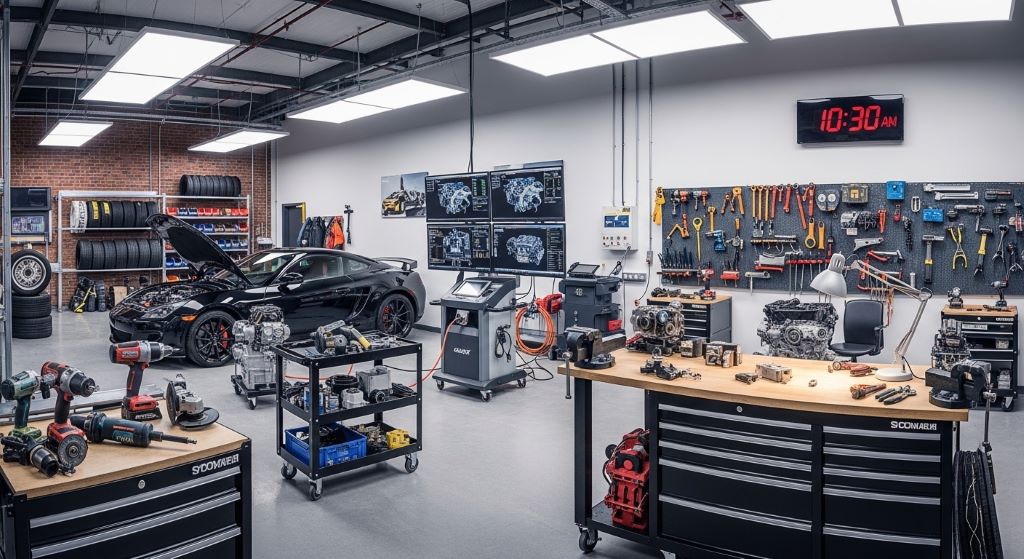
Lifting and Support Equipment for Safe Operations
No professional workshop operates without proper lifting equipment. Working under a vehicle without the right support is extremely dangerous. Therefore, safety here is not optional — it is fundamental.
A quality floor jack with a high weight rating is your starting point. Look for a hydraulic floor jack rated well above the heaviest vehicle you expect to service. This gives you a comfortable safety margin and reduces strain on the equipment.
Jack stands are equally important. Never rely on a floor jack alone to support a raised vehicle. A set of four heavy-duty jack stands gives you a stable, secure platform for any undercarriage work.
For workshops with a higher volume of vehicles, a two-post or four-post lift is a game changer. These lifts make underbody work much faster and significantly more comfortable. Additionally, they free up floor space compared to using multiple floor jacks and stands.
Storage and Organization Tools That Improve Productivity
A messy workshop slows everything down. Finding the right tool at the right moment is just as important as having it in the first place. Therefore, smart storage is a key part of any high-performance setup.
A rolling tool chest with multiple drawers keeps your most-used tools within reach at all times. Choose a chest made from heavy-gauge steel with smooth-gliding drawers and solid locks. Cheap chests warp and jam quickly, which becomes a daily frustration.
Wall-mounted pegboards and magnetic strips are excellent for organizing smaller tools and frequently used items. They keep your workspace clear and make it easy to spot what you need at a glance.
Label your drawers clearly. Sort tools by category. Build a consistent organization system and stick to it. This simple habit saves hours of searching over the course of a working year.
Specialty Tools That Set Professional Workshops Apart
Beyond the basics, certain specialty tools separate truly professional shops from amateur setups. These are items that handle specific jobs far better than improvised solutions.
A brake lathe lets you resurface rotors and drums in-house rather than sending them out. This saves time and money on high-volume brake jobs. A spring compressor is essential for safe suspension work. Attempting coilover or strut work without one is genuinely dangerous.
An engine hoist and engine stand are necessary for any powertrain work. Trying to move or support an engine without proper equipment risks injury and damage. Additionally, a transmission jack makes gearbox removal and installation far safer and more manageable.
How to Set a Budget and Prioritize Purchases
Building a complete professional workshop does not happen overnight. It takes time and careful budgeting. The smartest approach is to prioritize your purchases based on what you need most right now.
Start with the hand tools and basic power tools. These cover the widest range of jobs. Then add diagnostic equipment, since modern vehicles demand it constantly. Lifting equipment comes next, followed by specialty tools as your workload grows.
A well-planned workshop tools budget also accounts for future replacements and upgrades. Set aside a portion of your monthly revenue for tools. This keeps your shop current without placing sudden financial pressure on your operation.
Additionally, do not overlook the value of warranties. Many professional tool brands offer lifetime warranties on hand tools. This is a significant long-term saving that justifies paying more upfront.
Conclusion
Selecting the right tools for a high-performance workshop is a process, not a one-time event. It starts with understanding your specific work type and building a thorough mechanic tools list that matches your goals. From essential hand tools and powerful diagnostics to safe lifting gear and smart storage, every category plays a role in your overall efficiency and quality.
Take your time with each purchase. Prioritize quality over price wherever it matters most. Build your workshop tools collection steadily, and your setup will reward you with faster work, better results, and a safer environment for years to come.
A great workshop is built one smart decision at a time.
Frequently Asked Questions
What are the most important tools to buy first for a new workshop?
Start with a complete socket and wrench set, a reliable torque wrench, and a quality air compressor with an impact wrench. These cover the majority of common repair tasks and give you a solid foundation to build from.
How much should I budget to set up a professional auto workshop?
A basic professional setup can cost anywhere from a few thousand dollars to well over twenty thousand, depending on the scale. Start with essentials and expand gradually as your revenue grows.
Are cordless tools good enough for professional workshop use?
Yes. Modern cordless tools from top brands are powerful and long-lasting enough for professional use. Many mechanics now prefer them for the freedom of movement they provide.
How often should I replace or service my workshop tools?
Hand tools with lifetime warranties rarely need replacing if used correctly. Power tools and diagnostic equipment should be serviced or calibrated regularly — check manufacturer recommendations for specific intervals.
Is it worth buying used professional tools to save money?
Sometimes. Used tools from reputable brands can offer great value if they are in good condition. However, avoid used safety equipment like jack stands and lifting gear, as wear and damage may not be visible.
Related Topics:
Stuck in Mud? Best Tire Traction Aid Tips to Free Your Car Fast
How to Wrap a Car With Vinyl? Step by Step Guideline