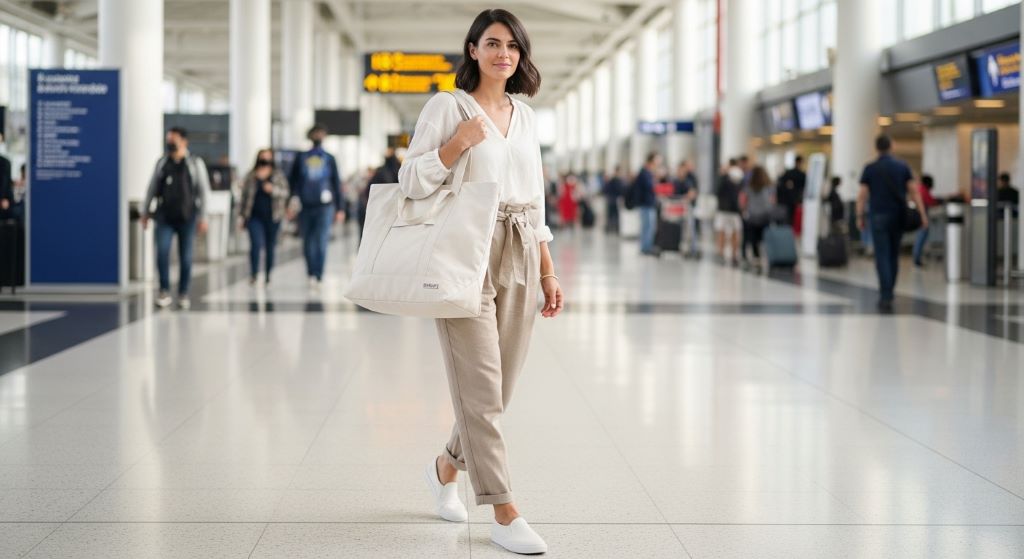
Packing for a trip should feel exciting, not stressful. However, the wrong bag can turn even a short journey into a frustrating experience. A good travel tote bag keeps your essentials organized, fits where you need it to, and holds up trip after trip. Choosing the right one, though, takes a little more thought than simply grabbing the first option you see.
This guide covers everything you need to know. From size and material to comfort and storage, you will walk away knowing exactly what to look for before your next adventure.
Why Your Choice of Travel Bag Matters
Most travelers underestimate how much their bag affects their overall experience. A bag that is too small leaves you scrambling. One that is too heavy adds strain to your shoulders and slows you down. Additionally, the wrong bag in the wrong setting — say, an overstuffed tote on a crowded train — quickly becomes a problem.
The right travel tote works with you, not against you. It keeps your passport, phone, snacks, and extras within easy reach. It fits under the seat in front of you on a plane. It does not dig into your shoulder after an hour of walking. Therefore, spending time on this decision before your trip is always worth it.
Understanding the Different Styles of Travel Totes
Not all tote bags are designed the same way. Some are built for casual day trips. Others are engineered for long-haul flights. Knowing the difference helps you narrow down your options fast.
Open-top totes are easy to access but offer less security. They work well in low-risk environments like beach towns or resort areas. Zip-top totes seal your items safely inside and are better suited for busy airports and city travel.
Structured totes hold their shape even when partially empty. They look polished and stand upright on their own. Unstructured totes are more flexible and can be folded flat when not in use. Both have their place depending on your travel style.
Size and Capacity: Getting the Fit Right
Size is one of the first things to consider. A carry-on tote needs to meet airline under-seat dimensions. Most airlines allow a personal item measuring around 18 by 14 by 8 inches, though this varies by carrier. Always check before you fly.
Capacity is equally important. Think about what you typically carry. A day traveler may need space for a tablet, a water bottle, and a few personal items. A longer trip may require room for an extra layer of clothing, a toiletry pouch, and a charger.
However, more capacity does not always mean better. A massive tote encourages overpacking. That, in turn, leads to a heavier bag and a sore shoulder by midday. Aim for a size that fits your needs without giving you room to overload it.
Material Matters: What Your Bag Is Made Of
The material of your tote directly affects how long it lasts and how easy it is to carry. There are several common choices on the market today.
Canvas is durable and classic. It holds up well with regular use and is easy to clean. However, it can feel stiff and may absorb moisture in wet weather. Nylon is a popular choice for travelers because it is lightweight, water-resistant, and easy to wipe clean. Polyester offers similar benefits at a lower price point, though it may not feel as premium.
Leather and vegan leather totes look sleek and professional. They age well and can handle occasional rain. However, they tend to add weight even before you pack anything inside.
For most travelers, a lightweight travel bag made from nylon or coated polyester hits the sweet spot. It offers durability, weather resistance, and comfort without adding unnecessary bulk.
Comfort Features That Make a Real Difference
A bag can look great on a shelf and still be miserable to carry. Comfort features matter more than most shoppers realize.
Shoulder straps should be wide enough to distribute weight evenly. Thin straps cut into the shoulder, especially when the bag is full. Look for straps that are padded or reinforced. Adjustable straps are a bonus because they let you customize the fit.
Some totes also include a back sleeve or trolley sleeve. This is a flat pocket on the back of the bag that slides over a suitcase handle. It is a small detail, but it makes airport navigation much easier. Additionally, a flat bottom or base panel helps the bag stand upright rather than flopping over.
Handles that are long enough to hang comfortably from your shoulder — but short enough to carry by hand — give you more flexibility throughout your day.
Organization: Pockets, Compartments, and Layout
Good organization is what separates a frustrating bag from a joy to use. Think about how you like to arrange your things before you buy.
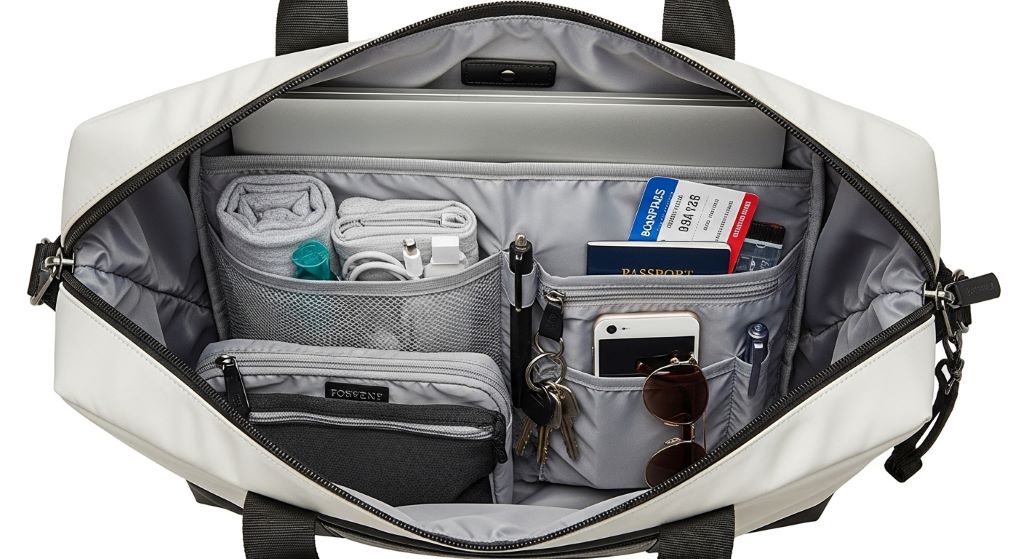
A main compartment should be roomy enough for bulkier items. A front zip pocket is ideal for items you reach for constantly, like your phone, transit card, or lip balm. Interior slip pockets keep smaller items from getting lost at the bottom.
Look for at least one secure interior pocket with a zipper. This is where you can keep your passport, credit cards, or cash safely tucked away. Some bags also include a dedicated water bottle pocket on the side. That small addition keeps moisture away from your electronics and documents.
The layout of the compartments matters too. A bag with one giant opening and no internal structure forces you to dig through everything every time. Meanwhile, a bag with too many tiny pockets becomes equally annoying. The best totes strike a balance between open space and smart organization.
Security Features Worth Paying For
Travel, especially in busy cities and airports, comes with security risks. Your bag should offer at least some basic protection.
Zip closures are the minimum. They prevent accidental spillage and make it harder for pickpockets to access your belongings quickly. Hidden or interior pockets add another layer of security for valuables.
RFID-blocking pockets are available on many modern travel totes. These protect your credit card information from electronic theft. Additionally, slash-resistant materials and locking zipper loops are features worth seeking out if you are traveling to high-risk areas.
Style and Versatility Across Different Trip Types
A good travel tote should do more than survive the trip. It should look appropriate in the settings you visit. Neutral colors like black, navy, tan, and gray are versatile choices. They work with most outfits and do not show dirt as quickly as lighter shades.
Some totes double as work bags or everyday bags at home. That versatility adds value to your purchase. Therefore, look for a design that works in multiple contexts. A sleek, structured tote that looks at home in a business meeting is also ideal for a city break.
Furthermore, consider how the bag interacts with your other luggage. A lightweight travel bag that straps onto a rolling suitcase handle keeps your hands free and your load manageable.
Sustainability and Ethical Production
More travelers today want their purchases to reflect their values. Many brands now offer totes made from recycled materials, organic cotton, or ethically sourced fabrics. These options are worth exploring if sustainability matters to you.
Additionally, a well-made bag that lasts many years is inherently more sustainable than a cheaper bag that falls apart after a few trips. Therefore, investing in quality is both a practical and responsible choice.
Price Range: What to Expect at Each Level
Budget totes in the ten to thirty dollar range can work for occasional travelers. However, they often compromise on durability, comfort, or organization. Mid-range totes between thirty and eighty dollars typically offer the best value. You get solid materials, useful pockets, and comfortable straps without overspending.
Premium totes above eighty dollars often feature superior materials, lifetime warranties, or designer aesthetics. These make sense for frequent travelers who need a bag that performs day in and day out.
Conclusion
Choosing the right travel tote bag is about more than picking something that looks nice. It requires thinking through size, material, comfort, organization, and security before you commit. A carry-on tote that fits airline requirements, sits comfortably on your shoulder, and keeps your essentials organized will transform your travel experience for the better.
Start by identifying your travel style and the trips you take most often. Then use the features in this guide to narrow your options. Whether you prefer a sleek nylon zip-top or a structured canvas tote, the right bag is out there. Find it once, take care of it well, and it will be your reliable travel companion for years to come.
Frequently Asked Questions
What size tote bag is allowed as a carry-on personal item?
Most airlines allow personal items up to approximately 18 by 14 by 8 inches, but this varies by carrier. Always check your specific airline’s size requirements before packing.
Is a lightweight travel bag strong enough for frequent use?
Yes, provided it is made from quality materials like nylon or coated polyester. Weight does not determine strength. Many lightweight bags outperform heavier ones in durability testing.
Can a travel tote replace a backpack for short trips?
Absolutely. For one to three day trips, a well-organized tote can carry everything a backpack would while looking more polished and fitting in more settings.
How do I clean a travel tote bag?
Most nylon and polyester totes can be spot cleaned with mild soap and a damp cloth. Canvas bags may be hand washed. Always check the care label before cleaning.
Are RFID-blocking pockets really necessary in a travel tote?
They are a useful extra layer of protection, especially in busy airports and tourist areas. They are not essential for every traveler, but the added security is worth having if your bag already includes the feature.
Related Topics:
How to Find Lightweight Travel Luggage Without Sacrificing Durability
Ultimate Guide to Things to Do in Broken Bow, Oklahoma