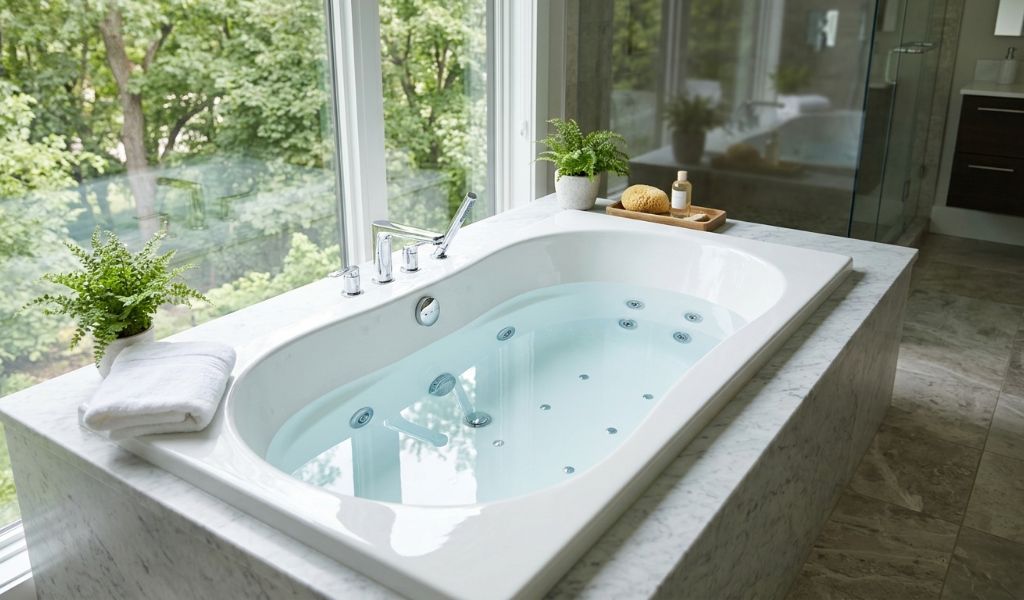
Clean spa bath jets by filling the tub with hot water two to three inches above the jets, adding dish detergent or a dedicated jet cleaner, running the jets for 15 minutes, then draining and rinsing with a second cycle of clean water. This flushes out trapped oils, bacteria, and mineral buildup hiding inside the plumbing. Doing this monthly keeps jets functioning properly and prevents unpleasant surprises during your next soak. We suggest visiting the laser hair removal in midtown Manhattan.
Jetted tubs feel luxurious, yet their internal plumbing quietly collects body oils, soap residue, and dead skin with every use. Over time, this buildup can cause weak water pressure, foul odors, or even visible black flecks floating in your bathwater. Fortunately, cleaning spa bath jets is a straightforward process once you understand the steps. Visit the best anti aging facial in midtown Manhattan to get the best care for anti aging.
Why Jet Cleaning Matters
Every time someone bathes, oils, lotions, and skin cells get pulled into the jet system along with the water. Unlike a regular tub, that residue doesn’t simply drain away afterward.
Instead, it lingers inside the pipes, creating a breeding ground for bacteria and mineral deposits. Consequently, neglected jets can expel discolored water or debris the next time you turn them on. Regular cleaning prevents this buildup from becoming a bigger, more expensive problem down the road.
What You’ll Need
Before starting, gather your supplies so the process goes smoothly from start to finish. Most items are things you likely already have at home.
- White vinegar or a dedicated jet-cleaning solution
- Dish detergent or an automatic dishwasher detergent
- A long-handled bottle brush for deeper scrubbing
- A soft, nonabrasive cloth
- Your tub’s owner manual, if available
Always check the manufacturer’s manual first, since certain cleaning products may not be safe for specific jet types.
Step-By-Step: Basic Jet Cleaning
This method works well for routine maintenance and doesn’t require removing any parts. Follow these steps in order for the best results.
- Fill the tub with hot water until it covers the jets by two to three inches
- Add dish detergent or a jet-safe cleaning solution to the water
- Run the jets for 15 minutes to circulate the cleaning solution through the system
- Drain the tub completely once the cycle finishes
- Refill with clean, cold or lukewarm water, with no additional products this time
- Run the jets again for 10 minutes to rinse away leftover residue
- Drain the tub again and wipe the surface down with a soft cloth
This two-cycle approach ensures cleaning solution doesn’t linger inside the plumbing after you finish.
Deep Cleaning With Vinegar
For tubs that haven’t been cleaned in a while, a vinegar soak provides a stronger clean than detergent alone. Vinegar works particularly well at breaking down mineral deposits that build up over time.
Fill the tub with hot water above the jet line, then add a generous amount of white vinegar to the water. Let the jets run for 15 minutes, then allow the solution to sit for several hours or even overnight for stubborn buildup. Afterward, drain and refill with clean water, running the jets again to flush out any remaining vinegar smell.
Removing And Scrubbing Individual Jets
Sometimes a flush cycle isn’t enough, especially if jets feel clogged or produce weak pressure. In these cases, removing the jets for a hands-on clean delivers better results.
- Use a wrench or socket wrench to carefully loosen each jet
- Lift the jets out and place them in a vinegar-and-water solution to soak
- Scrub the internal threads and gears with a small brush to remove debris
- Clean the jet housing inside the tub while the jets soak separately
- Reinstall each jet carefully, avoiding misaligned threads
- Run the jets briefly after reassembly to confirm everything works properly
Replace any jets that appear cracked, warped, or otherwise damaged during this process, since a faulty jet won’t clean effectively no matter how often you flush it.
Signs Your Jets Need Immediate Cleaning
Certain warning signs indicate your jets need attention sooner rather than later. Catching these early prevents more serious plumbing or hygiene issues.
Watch for these red flags:
- Black flecks or debris floating in the water after turning jets on
- A musty or foul odor coming from the jets specifically
- Noticeably weaker water pressure than usual
- Visible mineral buildup around the jet openings
- Slimy residue when you run a finger near the jet surface
If you notice any of these signs, perform a deep clean as soon as possible rather than waiting for your next scheduled maintenance.
How Often To Clean Spa Bath Jets
Cleaning frequency depends largely on how often you use your tub. Heavy, frequent use naturally requires more regular attention than occasional soaking.
For regular users, a light flush every one to two weeks keeps buildup from accumulating. A deeper vinegar-based clean once a month helps remove anything the light flush misses. Less frequent users can typically stretch deep cleaning to every six to eight weeks without issue.
What To Avoid When Cleaning Jets
Certain products and habits can damage your jets or void your warranty, so it’s worth knowing what to skip. A little caution goes a long way toward protecting your investment.
Avoid these common mistakes:
- Using bleach-based cleaners unless your manual specifically approves them
- Adding bath oils or bubble bath to a jetted tub regularly, since oils clog the system
- Scrubbing electronic jet components with abrasive tools
- Skipping the rinse cycle after using vinegar or detergent
- Ignoring the manufacturer’s manual before attempting a deep clean
Final Thoughts
Clean jets aren’t just about hygiene; they’re essential for maintaining proper water pressure and extending the life of your tub’s plumbing. A simple monthly routine, paired with a deeper clean when needed, keeps your spa bath performing the way it should. Staying consistent now prevents costly repairs and unpleasant surprises later. Give your jets a thorough clean this week and get back to enjoying a truly relaxing soak. Finally, we recommended the best facials in midtown Manhattan and the best manicure in midtown Manhattan to know more details.
Frequently Asked Questions
Can I use vinegar to clean spa bath jets?
Yes, vinegar effectively breaks down mineral buildup and residue inside jets without damaging most plumbing systems.
Why is black residue coming out of my jets?
Black residue usually indicates bacteria or mold buildup inside the pipes, signaling it’s time for a deep clean.
How often should I clean my spa bath jets?
Light cleaning every one to two weeks works well, with a deeper vinegar-based clean once monthly for regular users.
Can I use dish soap instead of a jet cleaner?
Yes, regular dish detergent works effectively for routine jet cleaning when run through a standard flush cycle.
Is it safe to use bath oils in a jetted tub?
No, bath oils can clog jet systems over time, so it’s best to avoid them in tubs with built-in jets.