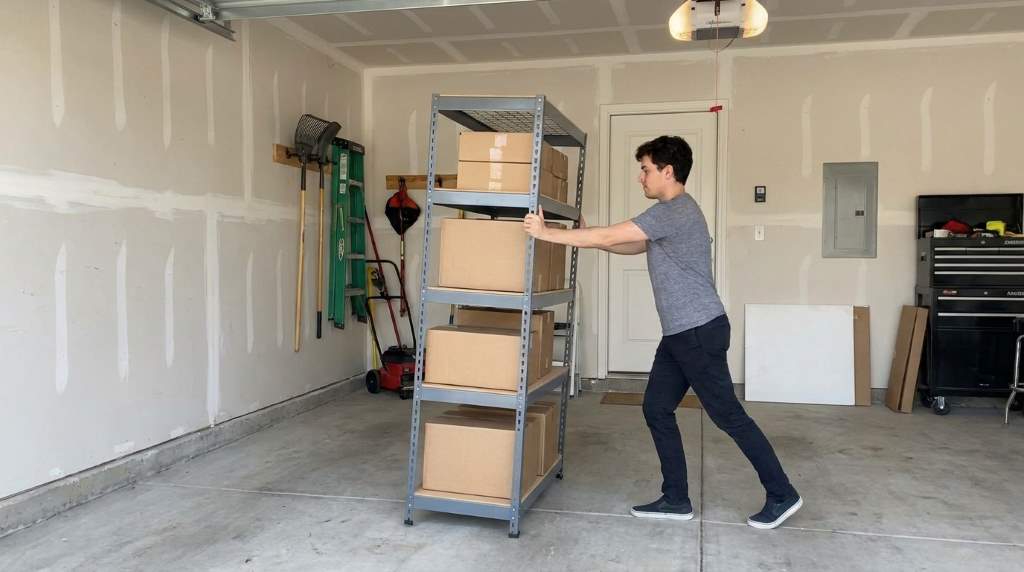
Yes, you can secure shaky garage racks by correcting the mounting points, reinforcing weak connections, and redistributing weight. Start by identifying whether the movement comes from loose hardware, weak framing, or unsuitable anchors before installing wedge anchors in concrete. Dallas garages also need practical clearance, because storage systems should not obstruct vehicles, doors, or walking paths.
Start With a Rack Stability Inspection
Before tightening anything, remove stored items and inspect the entire rack from floor to top shelf. Emptying the system reveals movement that heavy boxes can otherwise hide. Then push the frame gently from several directions and watch which joints or anchors move first.
Next, inspect every bolt, bracket, upright, shelf connector, and wall attachment for visible movement. Loose hardware often causes wobbling, but damaged components can create similar symptoms. Therefore, never assume tightening one bolt will solve the entire problem.
Check the wall or ceiling surface around every attachment point for cracks, crushing, moisture damage, or separation. These signs can indicate that the mounting surface cannot safely support the rack. If the substrate looks compromised, stop loading the rack until you resolve the structural issue.
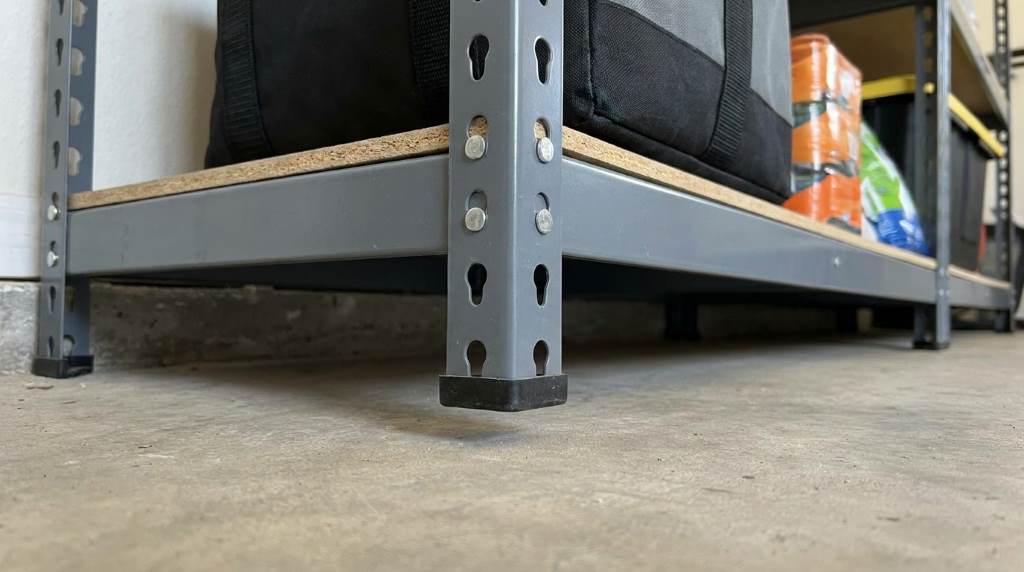
Also examine the floor beneath freestanding racks for uneven surfaces or damaged feet. A small height difference can make an otherwise rigid frame rock repeatedly. Use manufacturer-approved leveling components rather than improvised shims that can shift under load.
Choose the Right Anchoring Method for Dallas Garages
Once you identify the movement source, match the anchor to the actual construction material. Wood framing, concrete, masonry block, and drywall require different fastening approaches. Using a convenient anchor instead of a suitable anchor can leave the rack unstable.
For concrete walls or slabs, select anchors according to the rack manufacturer’s specifications and the concrete condition. Proper hole diameter, embedment depth, edge distance, and installation technique all affect holding strength. If you need additional guidance, review this resource on extend your garage space when planning larger storage changes.
For wood-framed walls, fasten structural brackets directly into suitable studs or properly installed blocking. Do not rely on drywall anchors for heavy garage racks. When stud locations do not match the mounting holes, install structural blocking instead of forcing the rack into weak positions.
For concrete masonry units, identify whether your fastener enters a solid section or a hollow cavity. Anchor selection changes significantly between those conditions. When uncertain, consult the rack manufacturer or a qualified installer before drilling additional holes.
Reinforce the Rack Before Adding More Weight
A rack can remain shaky even after you tighten its existing fasteners. That usually happens when the frame lacks sufficient lateral support or the mounting points carry uneven forces. Reinforcement should address the movement pattern rather than simply add more hardware.
Start by checking whether the uprights remain square and parallel. Measure diagonals when possible, because unequal measurements indicate a distorted frame. Square the structure before tightening the final connections.
Install manufacturer-approved cross braces where the design allows them. Cross bracing limits side-to-side movement and helps the rack resist repeated loading. Never drill random holes into structural members without confirming the manufacturer’s permitted modification methods.
Wall-mounted racks also benefit from multiple properly spaced attachment points. More fasteners do not automatically create more strength if they enter weak material. Instead, distribute the load through verified structural members or suitable masonry anchors.
If the rack connects to a garage wall, inspect the wall itself for movement. A rigid rack cannot remain stable when the supporting surface flexes or deteriorates. In that situation, reinforce the substrate before replacing rack hardware.
Control Weight Distribution and Shelf Loading
Even a properly anchored rack can become unstable when users overload one side. Uneven loading shifts the center of gravity and increases forces against the frame. Therefore, organize heavy items deliberately instead of filling the easiest shelf first.
Place heavier containers on lower levels whenever the rack design permits it. Keep lighter seasonal items on higher shelves and distribute comparable loads across each shelf. This arrangement reduces unnecessary tipping forces and makes frequently used items easier to reach.
Follow the rack’s stated load rating rather than estimating capacity from appearance. A thick steel frame does not guarantee unlimited capacity. Also remember that the rating may depend on correct anchoring, even loading, and specific installation conditions.
Separate dense materials such as tools, automotive parts, and hardware from lightweight household storage. Use appropriately sized containers so loose items cannot migrate toward one side. Secure unstable containers when the rack design provides compatible retention features.
Finally, keep the rack’s uppermost area organized and restrained. Tall stacks can increase the consequences of minor movement. A secure rack should keep stored objects stable during normal opening, closing, and vehicle movement.
Keep the Garage Layout Safe Around Secured Racks
Rack stability depends partly on how people interact with the surrounding garage. A storage system positioned beside a vehicle can experience accidental impacts from doors, equipment, or moving cargo. Therefore, leave practical clearance around racks and keep travel paths unobstructed.
Do not place heavy objects where they can interfere with garage doors, tracks, openers, or electrical equipment. Review your storage layout after installation rather than treating anchoring as the final step. For broader security planning, this guide about protecting your garage from burglaries can complement your storage strategy.
Maintain a clear area around vehicle doors and frequently used work zones. A rack can remain structurally sound while still creating an everyday collision hazard. Good placement protects both the storage system and the people using the garage.
Also consider what you store near ignition sources, heat-producing equipment, and electrical components. Keep incompatible household products separated and follow their storage instructions. A well-secured rack should improve organization without introducing new hazards.
Fix Common Causes of Shaky Garage Racks
Loose Bolts or Fasteners
Loose fasteners create obvious movement, especially around shelf brackets and frame joints. Remove the load before tightening connections to the manufacturer’s recommended specification. Replace damaged bolts rather than repeatedly tightening hardware that no longer holds properly.
Worn or Damaged Uprights
Bent uprights can prevent shelves and braces from carrying loads correctly. Do not straighten severely damaged steel and assume the original strength has returned. Replace compromised components with manufacturer-approved parts whenever possible.
Weak Wall Attachment
A wall attachment that moves under light pressure needs immediate attention. Check whether the fastener reaches a structural member or appropriate masonry material. If it does not, relocate or reinforce the mounting point before reloading the rack.
Uneven Flooring
An uneven garage floor can make freestanding racks rock even when their frames remain square. Level the unit using approved hardware designed for its feet or base. Never rely on loose household objects beneath a loaded rack.
Overloaded Shelves
Excess weight can deform shelves and increase frame movement over time. Remove unnecessary items and compare the remaining load with the manufacturer’s capacity. Replace shelves that show permanent bending or structural damage.
Use a Practical Dallas Garage Storage Strategy
Dallas garages often need to accommodate vehicles, tools, outdoor equipment, seasonal containers, and household overflow. That combination makes vertical organization useful, but only when storage remains accessible and structurally sound. Consider what you use weekly before assigning permanent locations to your belongings.
Store frequently used tools at accessible heights instead of burying them behind heavy containers. Keep seasonal items higher when you rarely need them. For ideas about garage storage purposes, explore what residents store in garages and adapt those concepts to your needs.
Use labeled containers to prevent repeated searching and unnecessary shelf movement. Group similar items together and avoid creating unstable piles. A predictable storage system also makes future inspections much faster.
When adding new racks, plan the complete storage wall before drilling the first anchor. Measure vehicles, doors, windows, outlets, and existing equipment first. This approach prevents costly repositioning and reduces accidental interference after installation.
Know When Professional Rack Repair Makes Sense
Some rack problems remain suitable for careful homeowner repair, especially simple loose hardware. However, structural uncertainty deserves professional attention before you add more weight. This becomes particularly important when anchors have pulled out or concrete shows damage.
Consider professional help when you cannot identify the supporting structure behind the mounting point. The same applies when the rack supports unusually heavy equipment or repeated dynamic loads. A qualified professional can evaluate the substrate, attachment method, and overall configuration.
Do not continue using a rack that suddenly develops severe movement, cracking sounds, bent components, or separated anchors. Move people away from the immediate area and unload it carefully. Then determine whether the rack requires component replacement, reinforcement, or complete replacement.
Before hiring anyone, ask how they will verify the mounting surface and load requirements. A quality installation should account for the rack design, substrate, fasteners, clearance, and intended load. Avoid contractors who promise strength without inspecting those conditions.
Build a Simple Rack Maintenance Routine
Securing a shaky rack should not become a one-time repair with no follow-up. Inspect fasteners and connections periodically, especially after changing the load. Early detection prevents minor movement from becoming a larger structural problem.
During each inspection, check anchors, brackets, braces, shelves, feet, and visible frame members. Look for fresh cracks, deformation, corrosion, loose hardware, or unusual gaps. Address small changes before placing additional weight on the system.
Review the load whenever your storage needs change significantly. Adding several dense containers can alter the rack’s balance even when the total weight seems reasonable. Keep heavier items low and maintain even distribution across supported areas.
Finally, keep an updated mental map of your garage storage system. Knowing where each category belongs makes accidental overloading less likely. It also helps you identify changes quickly during routine inspections.
Key Takeaways
- Inspect the empty rack first to identify the exact source of movement.
- Match anchors to the actual wall or floor construction material.
- Fasten wall-mounted systems into structural framing or suitable masonry.
- Distribute heavy loads evenly and keep dense items lower whenever possible.
- Replace damaged frames, shelves, anchors, and fasteners instead of improvising repairs.
- Maintain clearance around vehicles, doors, walking paths, and garage equipment.
- Seek professional evaluation when structural conditions or anchor performance remain uncertain.
Conclusion
A shaky garage rack needs more than tighter bolts because instability often starts with the mounting system or load arrangement. Inspect the structure, select appropriate anchors, reinforce weak connections, and redistribute stored weight carefully.
For the safest result, unload the rack before making repairs and follow its installation specifications. If anchors have failed or the supporting structure appears damaged, arrange a professional inspection before using the rack again.
Take action today by emptying the rack, identifying its movement source, and correcting the weakest connection first. A properly secured storage system can give your Dallas garage more usable space without sacrificing everyday safety.
Frequently Asked Questions
Why does my garage rack keep wobbling?
Loose fasteners, weak anchors, uneven flooring, damaged components, or uneven loading commonly cause garage rack movement.
Can I secure a garage rack directly to concrete?
Yes, but you must use anchors specifically suited to the concrete and the rack manufacturer’s requirements.
Should heavy items go on the top shelf?
No, place heavier items lower whenever the rack design permits to reduce instability and improve access.
Can drywall anchors secure a heavy garage rack?
No, heavy racks generally require structural framing, blocking, or suitable masonry attachment rather than drywall-only anchors.
When should I replace a shaky garage rack?
Replace the rack when its frame, shelves, anchors, or structural components show damage that approved repairs cannot correct.