A refrigerator that suddenly loses power can create stress, especially when food safety becomes a concern. According to the U.S. Department of Energy, refrigerators account for a significant share of household electricity use, making them one of the most important appliances in any kitchen. In addition, food can begin to spoil within hours if cooling stops unexpectedly. When a fridge compressor starts and stops repeatedly, it may signal an electrical or mechanical problem that requires attention. Understanding how to diagnose sudden fridge power cut issues in Chicago, IL kitchens can help homeowners identify the cause quickly and avoid costly repairs.
Why Fridge Power Loss Happens Unexpectedly
Several factors can cause a refrigerator to shut off without warning. Some issues stem from electrical supply problems, while others originate inside the appliance itself. Chicago homes often experience seasonal weather shifts that affect electrical systems. Therefore, identifying the source of the interruption is the first step toward a solution.
Many homeowners assume the refrigerator is faulty immediately. However, external electrical issues frequently cause sudden shutdowns. A simple power fluctuation can mimic a serious appliance failure. As a result, checking the power source before investigating internal components saves time.
Start with the Kitchen Power Supply
Always begin with the most obvious possibility. Verify whether the refrigerator still receives electricity from the wall outlet. Plug a lamp or another small appliance into the same outlet to test functionality. If the outlet fails, the refrigerator may not be the actual problem.
Circuit breakers often trip after electrical surges or overloads. Open the electrical panel and inspect the breaker connected to the kitchen. Reset any tripped breaker completely before turning it back on. Then observe whether the refrigerator powers up normally.
Ground fault circuit interrupter outlets can also interrupt power unexpectedly. Many kitchens contain GFCI outlets that protect against electrical hazards. Sometimes another outlet on the same circuit controls refrigerator power. Therefore, inspect nearby outlets and press the reset button if needed.
Check the Refrigerator Power Cord
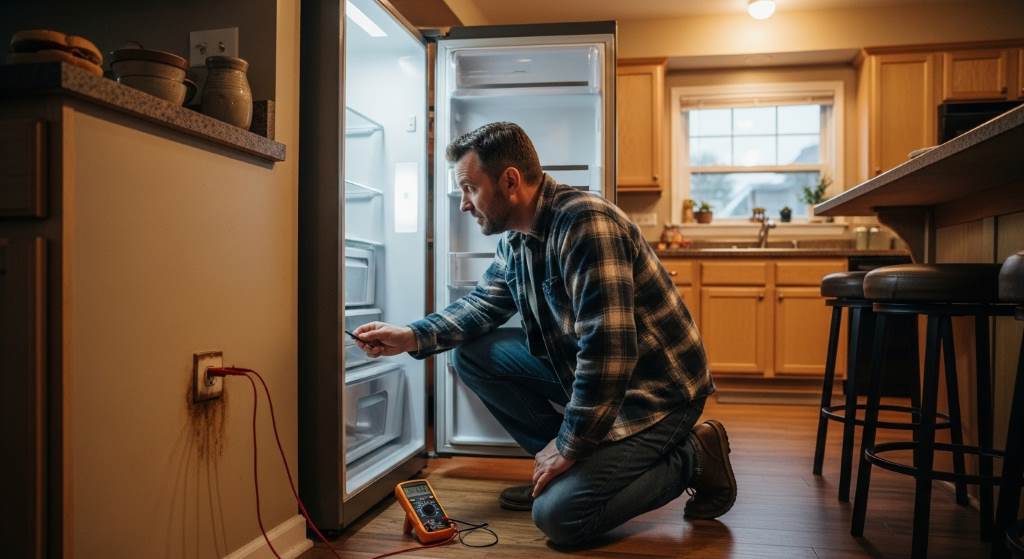
The power cord can suffer wear over time. Pets, cleaning equipment, and repeated movement may damage the insulation. Examine the cord carefully for cuts, burns, or exposed wiring. Any visible damage requires immediate replacement.
Loose connections also create intermittent power loss. Ensure the plug fits securely inside the outlet. If the plug feels loose, the outlet itself may need repair. Consistent electrical contact remains essential for reliable refrigerator operation.
Inspect Interior Lights and Display Panels
Interior lights provide useful clues during diagnosis. Open the refrigerator door and check whether the light activates. If the light works but cooling does not, the issue likely involves internal systems rather than incoming power.
Modern refrigerators often feature digital control panels. Look for flashing displays, error codes, or unusual messages. These indicators can reveal electrical faults or component failures. Consequently, recording any codes helps narrow the troubleshooting process.
Evaluate Chicago Weather-Related Electrical Effects
Chicago experiences harsh winters and intense summer storms. These weather conditions sometimes create power fluctuations that affect appliances. Voltage drops may temporarily shut down sensitive refrigerator electronics. Therefore, recent weather events should remain part of the investigation.
Lightning-related surges can damage control boards without affecting other appliances immediately. In some cases, the refrigerator appears normal but loses power intermittently. Surge protection helps reduce this risk significantly. Homeowners should consider this possibility after major storms.
Test the Refrigerator Control Board
The control board acts as the appliance’s command center. It regulates cooling cycles, sensors, and electrical distribution. When the board fails, sudden power interruptions often occur. Diagnosing this component may require professional testing.
Burn marks or unusual odors around the control board suggest electrical damage. Disconnect power before inspecting internal electronics. Safety should always remain the priority. If visible damage exists, replacement usually becomes necessary.
Examine the Door Switch Mechanism
The door switch does more than control interior lighting. Some refrigerators use it to coordinate specific operating functions. A malfunctioning switch can sometimes create confusing symptoms. Therefore, it deserves a quick inspection.
Press the switch manually and listen for a clicking sound. Lack of response may indicate wear or failure. Replacing a defective switch typically costs less than major repairs. Consequently, this simple component should not be overlooked.
Look for Overheating Condenser Components
Condenser coils release heat generated during cooling. Dust buildup restricts airflow and increases operating temperatures. Overheating can trigger protective shutdown mechanisms. As a result, the refrigerator may appear to lose power unexpectedly.
Clean the coils carefully using a vacuum or coil brush. Improved airflow often restores normal performance. Interestingly, homeowners who follow simple solutions for a fresh refrigerator often discover cleanliness also improves appliance efficiency. Regular maintenance prevents many avoidable power-related issues.
Assess the Start Relay and Overload Protector
The start relay helps activate the compressor. When it fails, the refrigerator may repeatedly attempt to start and then shut down. Clicking sounds often accompany this condition. Therefore, listening carefully can provide valuable clues.
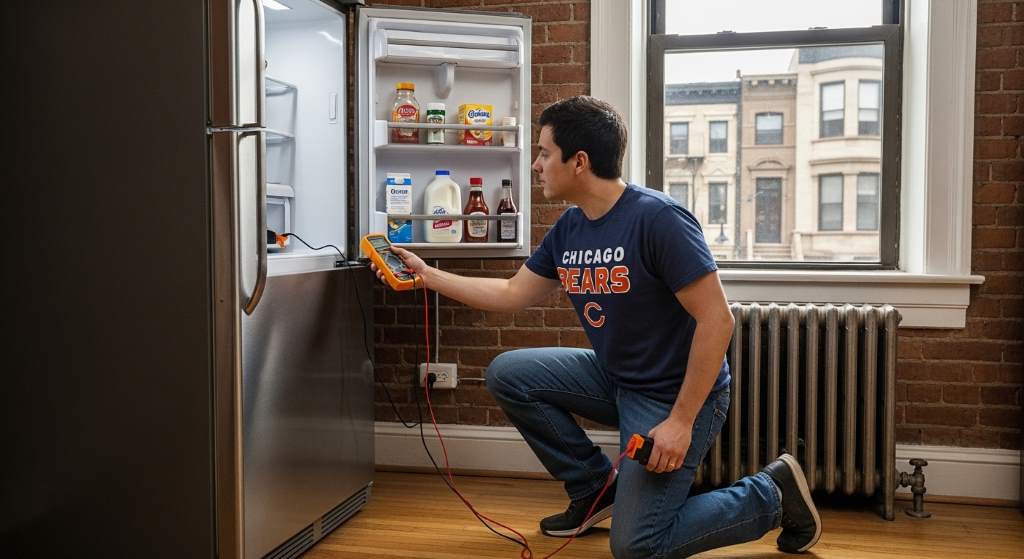
The overload protector prevents compressor damage during excessive heat or current draw. A defective protector may interrupt operation even when other components work correctly. Testing these parts requires basic electrical tools. Replacing them remains relatively affordable compared to compressor replacement.
Identify Compressor-Related Problems
The compressor serves as the heart of the cooling system. If it struggles to start, sudden shutdowns become more common. Unusual buzzing, clicking, or vibration may indicate compressor trouble. Professional diagnosis often becomes necessary at this stage.
Repeated power loss combined with poor cooling performance usually points toward compressor system issues. However, homeowners should eliminate simpler causes first. Accurate diagnosis prevents unnecessary expenses. A methodical approach delivers the best results.
An Overlooked Cause: Kitchen Layout and Heat Zones
Many blogs focus only on electrical parts and cooling components. Yet kitchen design can influence refrigerator performance significantly. Poor appliance placement exposes refrigerators to excessive heat. This often contributes to overheating and unexpected shutdowns.
For example, refrigerators installed beside ovens or commercial cooking equipment face higher thermal stress. Business owners reviewing top design tips for efficient kitchen layouts often learn the importance of proper appliance spacing. Adequate ventilation helps refrigerators maintain stable operation.
This location-based factor receives far less attention than electrical troubleshooting. Nevertheless, it remains a real issue in both residential and commercial kitchens. Heat pockets can increase compressor workload substantially. Consequently, appliance lifespan may decrease over time.
Monitor Temperature Consistency
Temperature fluctuations often appear before complete power loss. Place a refrigerator thermometer inside both compartments. Track readings throughout several days. Consistent monitoring can reveal hidden operational patterns.
Sudden temperature swings may indicate intermittent electrical interruptions. In contrast, stable temperatures suggest another underlying issue. Recording observations creates a useful reference for technicians. Therefore, documentation can accelerate repairs.
Check Food Storage Practices
Surprisingly, overloaded refrigerators can contribute to performance problems. Excessive items restrict airflow and force the cooling system to work harder. This added strain may trigger protective shutdowns. Maintaining balanced storage supports efficient operation.
Frozen food organization matters as well. Homeowners learning how to freeze celery properly often discover that efficient storage improves airflow throughout the freezer compartment. Better circulation supports consistent cooling performance.
Signs You Need Professional Help
Some refrigerator issues require specialized equipment and expertise. Electrical testing beyond basic troubleshooting can involve safety risks. Therefore, homeowners should avoid complex repairs without proper training. Professional service ensures accurate diagnosis.
Contact a technician if you notice recurring shutdowns despite completing basic checks. Burning smells, visible electrical damage, or compressor failure also require immediate attention. Quick action helps prevent food loss and further appliance damage. Early intervention often reduces repair costs.
Preventing Future Refrigerator Power Cuts
Preventive maintenance remains the best defense against unexpected refrigerator failures. Clean condenser coils regularly and inspect power connections several times each year. These simple habits improve efficiency and reliability. Consistency matters more than complexity.
Installing a quality surge protector adds another layer of protection. This step becomes especially valuable during Chicago storm seasons. Furthermore, regular inspections can identify small problems before they become major failures. Prevention always costs less than emergency repairs.
Homeowners should also maintain proper airflow around the appliance. Leave sufficient space behind and beside the refrigerator. Good ventilation reduces operating stress and improves cooling efficiency. As a result, the system runs more reliably throughout the year.
Conclusion
Diagnosing sudden fridge power cut issues in Chicago, IL kitchens requires a systematic approach. Start with the electrical supply, then inspect the power cord, control systems, cooling components, and compressor-related parts. Additionally, consider unique factors such as weather-related electrical fluctuations and kitchen heat zones that many guides overlook. By acting quickly and following these practical steps, homeowners can identify problems sooner and reduce the risk of food spoilage. If the issue persists, contact a qualified refrigerator repair professional to restore safe and dependable operation.
FAQs
Why does my refrigerator suddenly lose power but other appliances work?
A faulty outlet, damaged power cord, or refrigerator control board may cause the issue.
Can Chicago weather affect refrigerator performance?
Yes, storms and voltage fluctuations can impact refrigerator electronics and operation.
How do I know if my refrigerator compressor is failing?
Repeated clicking sounds, poor cooling, and frequent shutdowns often indicate compressor problems.
Should I reset my circuit breaker after a refrigerator power cut?
Yes, checking and resetting a tripped breaker is one of the first troubleshooting steps.
When should I call a professional technician?
Contact a professional if power loss continues after basic checks or if electrical damage is visible.