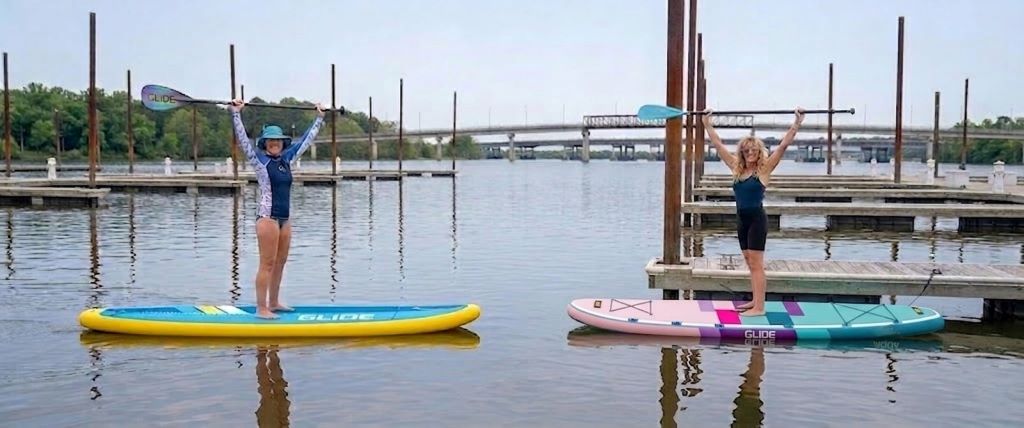
Paddle boarding is one of the fastest-growing water sports, with over 3 million participants in the U.S. alone. Yet, 40% of beginners abandon the sport after their first outing due to instability and fear of falling. Choosing the right board can make all the difference between a wobbly struggle and a confident, enjoyable experience.
A stable inflatable paddle board is the foundation of a safe and pleasant adventure on the water. According to a 2025 survey by the Outdoor Industry Association, 62% of new paddle boarders cite stability as their top concern. Therefore, prioritizing SUP stability ensures a smoother transition for beginners and a more reliable ride for experienced paddlers in varied conditions.
Additionally, water balance depends on more than just the board’s shape. Factors like width, thickness, and construction materials play critical roles. A wider board, for example, offers better stability but may sacrifice speed. Thicker boards, on the other hand, provide more buoyancy and rigidity, which are essential for rough water. Therefore, understanding these trade-offs helps paddlers select the best beginner paddle board for their needs.
Why Stability Matters in Paddle Boarding
Stability is the most important factor for both beginners and advanced paddlers. A stable inflatable paddle board reduces the risk of falls, which is the primary reason 35% of first-time users give up on the sport. Wider boards, typically 32 to 34 inches, offer a more stable platform for new paddlers. This extra width lowers the center of gravity, making it easier to maintain balance.
The board’s thickness also impacts stability. Boards with a thickness of 6 inches or more provide better buoyancy and rigidity. This is especially important in rough water, where waves and chop can challenge even experienced paddlers. Additionally, a thicker board can support more weight, making it a versatile choice for families or those carrying extra gear.
Construction materials further enhance stability. High-quality drop-stitch technology allows inflatable boards to maintain their shape under pressure. Boards with multiple layers of PVC or reinforced rails offer added durability and rigidity. Therefore, investing in a well-constructed board ensures long-term performance and safety.
Key Features for Stability in Calm and Rough Water
When selecting a stable inflatable paddle board, consider features that enhance SUP stability in all conditions. First, look for a board with a wide, flat deck. This design provides a larger surface area for better water balance. Additionally, a rounded or squared-off nose can improve stability in choppy conditions by reducing the board’s tendency to dive into waves.
Fins also play a crucial role in stability. A single large fin or a set of smaller fins can improve tracking and prevent the board from spinning in the wind or current. For rough water, a board with a removable fin system allows paddlers to adjust their setup based on conditions. Therefore, versatility in fin configuration is a valuable feature for a beginner paddle board.
The board’s rocker, or curvature from nose to tail, affects stability as well. A board with minimal rocker is more stable in calm water, while a board with moderate rocker performs better in waves. Additionally, a slight V-shape in the hull can help cut through chop, providing a smoother ride in rough conditions.
Top Picks for Stable Inflatable Paddle Boards
Several stable inflatable paddle boards stand out for their performance in both calm and rough water. The iRocker Cruiser is a popular choice for beginners, thanks to its wide 33-inch deck and 6-inch thickness. Its drop-stitch construction and reinforced rails provide excellent rigidity and durability. Additionally, its triple fin setup ensures superior tracking in various conditions.
The Atoll 11’ Inflatable Paddle Board is another top contender. Known for its versatility, this board features a 32-inch width and a 6-inch thickness, making it suitable for both calm lakes and moderate waves. Its high-quality materials and reinforced seams ensure long-lasting performance. Therefore, it’s an excellent option for paddlers seeking a beginner paddle board that can handle diverse conditions.
For those looking for a budget-friendly option, the SereneLife Inflatable Stand Up Paddle Board offers great value. With a 30-inch width and 6-inch thickness, it provides adequate stability for beginners. Its lightweight design and portable carry bag make it easy to transport and store. Additionally, its durable construction ensures it can withstand the rigors of regular use. To further enhance comfort and safety during water activities, it’s also important to choose the best surfing rash guard for maximum comfort and protection, helping protect against sun exposure, chafing, and irritation.

Stability Tips for Different Water Conditions
Paddling in calm water requires a different approach than tackling rough conditions. In calm water, focus on maintaining a relaxed stance and using smooth, even strokes. A wider board with minimal rocker will provide the best SUP stability in these conditions. Additionally, avoid sudden movements that can disrupt your water balance.
In rough water, a more active approach is necessary. Bend your knees slightly and keep your core engaged to absorb the impact of waves. A board with moderate rocker and a V-shaped hull will help you cut through chop more effectively. Additionally, use shorter, quicker strokes to maintain control and stability.
For beginners, it’s essential to start in calm water and gradually progress to rougher conditions. This allows you to build confidence and develop your skills without becoming overwhelmed. Therefore, choosing a versatile beginner paddle board that performs well in both calm and rough water is a smart investment.
Common Mistakes to Avoid
One of the biggest mistakes beginners make is choosing a board that’s too narrow for their skill level. A narrow board may be faster, but it sacrifices stability, making it harder to maintain balance. Stick to a board with a width of at least 32 inches for better SUP stability.
Another common error is overlooking the importance of board thickness. A thinner board may be lighter and easier to carry, but it can also be less stable and more prone to flexing. Therefore, opt for a board with a thickness of at least 6 inches for better water balance and buoyancy.
Finally, don’t neglect the quality of construction. Low-quality materials or poor craftsmanship can lead to a board that’s unstable or prone to damage. Invest in a reputable brand with a track record of producing durable, high-performance boards. This ensures your beginner paddle board will last for years and provide a safe, enjoyable experience.
Accessories to Enhance Stability
Several accessories can further improve the stability of your inflatable paddle board. A high-quality paddle with an adjustable shaft allows you to customize the length for your height and paddling style. Additionally, a paddle with a larger blade can provide more power and control, enhancing your water balance.
A traction pad or deck grip can also enhance stability by providing a non-slip surface for your feet. This is especially important in rough water, where maintaining your footing is critical. Additionally, a leash ensures your board stays close if you fall, preventing it from drifting away in the wind or current.
For those paddling in rough conditions, a personal flotation device (PFD) is a must. Not only does it provide safety, but it also gives you peace of mind, allowing you to focus on maintaining your SUP stability. Therefore, always wear a PFD when paddling in challenging conditions.
FAQs About Stable Inflatable Paddle Boards
What width is best for a beginner paddle board?
A width of 32 to 34 inches is ideal for beginners. This provides a stable platform for learning and maintaining balance.
How does board thickness affect stability?
A thicker board, typically 6 inches or more, offers better buoyancy and rigidity. This enhances stability, especially in rough water.
Can I use an inflatable paddle board in the ocean?
Yes, but choose a board designed for rough water with features like reinforced rails, a V-shaped hull, and a removable fin system for better control.
What accessories improve paddle board stability?
A traction pad, adjustable paddle, and leash can all enhance stability. Additionally, wearing a PFD provides safety and confidence.
How do I maintain my inflatable paddle board?
Rinse your board with fresh water after each use to remove salt and debris. Store it in a cool, dry place away from direct sunlight to prevent damage.
Conclusion
Choosing a stable inflatable paddle board is the key to a safe and enjoyable experience on the water. Prioritize features like width, thickness, and construction quality to ensure SUP stability in both calm and rough conditions. With the right beginner paddle board, you can build confidence and skills that will last a lifetime.
Ready to hit the water? Explore stable inflatable paddle boards and start your paddle boarding adventure today. The perfect ride awaits!
Featured Image Source