Electrical problems at home are common. A flickering light, a tripped breaker, or a loose outlet can happen to anyone. While major electrical work should always involve a licensed professional, many smaller tasks are well within the reach of a careful and prepared homeowner.
The key is having the right tools. However, walking into a hardware store without a plan can be overwhelming. There are hundreds of options across dozens of brands, and prices vary wildly. Knowing what to look for makes the process much simpler.
This guide will help you choose the best electrician tools for home use in 2026. You will learn which tools matter most, what features to prioritize, and how to build a reliable kit without overspending.
Why Having the Right Electrical Tools Matters
Electrical work is not like other home repairs. The margin for error is thin. A wrong connection or a damaged wire can cause a fire, trip your entire electrical system, or put you in physical danger.
The right tools reduce those risks. They help you work accurately and safely. They also make tasks faster and less frustrating. A homeowner with quality basic electrical tools can confidently handle small repairs, outlet replacements, and lighting upgrades without calling a technician for every minor issue.
Additionally, good tools last for years. Buying quality once is almost always better than replacing cheap tools repeatedly.
Understanding the Difference Between DIY and Professional Needs
Before building your toolkit, it helps to be honest about what you will actually do. Most homeowners need tools for light tasks, such as replacing outlets, installing ceiling fans, running new switch plates, or troubleshooting a dead circuit.
Professional electricians, on the other hand, work on complex systems every day. Their tools are built for speed, volume, and precision at a commercial level. You do not need that level of investment for home use.
Therefore, focus on versatile, durable tools that handle a wide range of household jobs. Avoid buying specialized equipment you will use once a year. Start with the essentials and expand as your needs grow.
The Essential Tools Every Homeowner Should Have
Voltage Tester
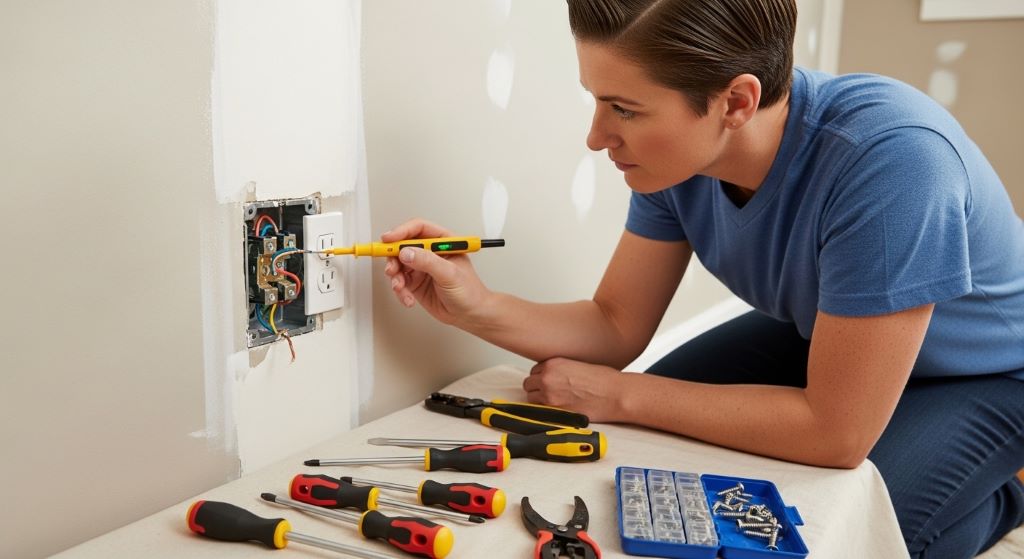
A voltage tester is the single most important safety tool in any electrical kit. It tells you whether a wire or outlet is live before you touch it. Working on a live circuit is one of the most common causes of electrical accidents at home.
Non-contact voltage testers are the easiest to use. You hold them near a wire or outlet, and they beep or light up if current is present. No touching required. They are affordable, compact, and should be the first item in any home repair tools collection.
Some models also include an audible alarm, which is useful when you are working in a tight space and cannot see the display clearly.
Multimeter
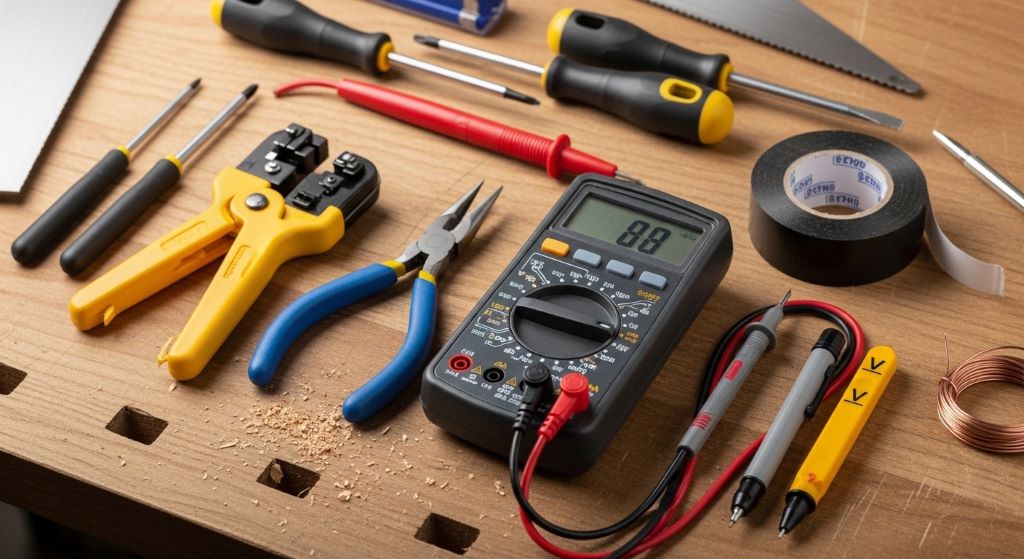
A multimeter does several jobs at once. It measures voltage, current, and resistance. This makes it incredibly useful for diagnosing electrical problems. Is your outlet outputting the right voltage? Is a wire carrying too much resistance? A multimeter tells you.
Digital multimeters are recommended for home use. They are easier to read than older analog models and more accurate. Look for auto-ranging versions, which automatically detect the type of measurement needed. This removes the need to manually adjust settings, which is a common source of errors for beginners.
You do not need an expensive professional-grade unit. A mid-range digital multimeter in the $30 to $60 range handles everything a homeowner needs.
Insulated Screwdrivers
Electricians use insulated screwdrivers to avoid accidental shocks when working near live components. The handles are coated with a non-conductive material, usually rubber or plastic, that protects you if you accidentally touch a live terminal.
A good set includes both flat-head and Phillips-head options in multiple sizes. Outlet screws, panel covers, and switch plates all use different sizes, so variety matters.
Look for screwdrivers that are rated to 1,000 volts. This is the international safety standard for insulated hand tools. Anything rated below this is not suitable for electrical work.
Needle-Nose Pliers
Electrical work often happens in tight spaces. Needle-nose pliers allow you to grip, bend, and position small wires in areas where your fingers simply cannot reach. They are also useful for pulling wire through conduit or tightening connections in junction boxes.
Choose pliers with insulated handles for the same reason you choose insulated screwdrivers. The protection matters. Additionally, look for a pair with a built-in wire cutter near the base of the jaws. This saves you from switching between tools constantly.
Wire Strippers
Stripping wire insulation is one of the most repeated tasks in electrical work. A good wire stripper makes this clean and precise. A bad one damages the wire, which can cause loose connections and overheating over time.
Wire strippers come with labeled notches for different wire gauges. The most common household gauges are 12 AWG and 14 AWG, so make sure your tool covers both. Many modern strippers also include a built-in crimper and cutter, which adds value without adding bulk to your kit.
Electrical Tape and Wire Connectors
These are consumables rather than tools, but no electrical kit is complete without them. Electrical tape insulates exposed wire ends and covers connections that need extra protection. It is heat-resistant and flexible.
Wire connectors, often called wire nuts, join two or more wires together inside a junction box. They come in different colors to indicate compatible wire sizes. Keep a variety pack on hand so you are never caught short mid-job.
Circuit Breaker Finder
A circuit breaker finder is a tool many homeowners overlook — until they need it. It consists of a transmitter that plugs into an outlet and a receiver that you run along your breaker panel. Together, they identify which breaker controls which outlet or circuit.
This saves enormous time. Without one, you are flipping breakers one by one and walking back and forth to check each outlet. Additionally, it is a safer way to work, since it removes guesswork from the process of isolating a circuit before starting a repair.
Features to Look For in Electrical Tools
Safety Ratings and Certifications
Always look for tools that carry recognized safety certifications. In the United States, look for UL (Underwriters Laboratories) or ETL listings. In Europe, CE markings are standard. These certifications confirm that the tool has been independently tested for safety.
Avoid unbranded tools that carry no certifications. The savings are rarely worth the risk when it comes to electrical equipment.
Ergonomics and Grip
Electrical work often requires sustained concentration in awkward positions. A tool that feels comfortable in your hand reduces fatigue and improves accuracy. Look for tools with textured, non-slip grips. Handles that are too thin or too smooth become hard to control, especially if your hands are slightly damp.
This detail matters more than many buyers realize. Therefore, whenever possible, hold a tool before buying it rather than ordering online sight unseen.
Build Quality and Material
The best electrical hand tools are made from chrome vanadium or drop-forged steel. These materials are strong, corrosion-resistant, and hold up well over years of regular use. Plastic components should feel solid, not flimsy.
Check hinges and joints on pliers and cutters. Loose joints create play in the tool, which makes precise work harder. Tight, smooth action is what you want.
Storage and Organization
A disorganized tool kit is a frustrating one. Tools that are hard to find get left out of the bag, which means they get lost or damaged. Consider a dedicated tool roll or a small case for your electrical tools.
Some brands sell tool sets that include a carrying case. This is a convenient way to start, as everything is matched and stored together. However, building your own kit from individual purchases often gives you better quality per item.
How to Set a Budget That Makes Sense
You do not need to spend a fortune to build a solid electrical toolkit. However, going too cheap often costs more in the long run. Here is a simple way to think about it.
Spend more on tools you use often. Screwdrivers, pliers, and a multimeter are everyday items. Invest in quality versions of these. Spend less on specialty items you use rarely. A circuit breaker finder, for example, does not need to be a premium model.
A starter kit covering all the basics — voltage tester, multimeter, insulated screwdrivers, pliers, wire strippers, and connectors — can be assembled for $100 to $180. That is a one-time cost that covers years of reliable home repair tools use.
Top Brands Worth Considering in 2026
Several brands have earned strong reputations in the electrical tool space. Klein Tools is widely respected for professional-grade hand tools that are also accessible to serious DIYers. Fluke is a trusted name in multimeters and testing equipment. Knipex makes some of the best pliers available at any price point.
For more budget-conscious buyers, IRWIN and Southwire offer reliable quality at lower price points. These brands are widely available and well-reviewed by both professionals and homeowners.
Additionally, Milwaukee and DeWalt have expanded their electrical tool lines significantly in recent years. Their insulated screwdriver sets and testing tools are now competitive with traditional electrical tool specialists.
Common Mistakes to Avoid When Buying Electrical Tools
Buying a Cheap Voltage Tester
This is the one tool where you should never compromise. A faulty voltage tester that fails to detect a live circuit puts you at serious risk. Spend a few extra dollars and get a trusted brand. Your safety depends on it.
Ignoring Wire Gauge Compatibility
Wire strippers only work correctly if matched to the right gauge. Buying a set without checking compatibility means you could end up stripping wires incorrectly and creating loose, unsafe connections.
Skipping Insulation Ratings
Not all insulated tools are equal. Only use tools rated to 1,000 volts for electrical work. Lower-rated handles offer limited protection and should not be used near live circuits.
Overbuying Specialty Tools
It is tempting to buy every gadget in the electrical aisle. However, many specialty tools serve very narrow purposes. Focus on versatility. A good set of basic electrical tools handles 90 percent of home tasks. Add specialty items only when a specific job demands them.
Building Your Toolkit Step by Step
If you are starting from scratch, build your kit in stages. Start with the safety tools: a voltage tester and insulated screwdrivers. Add a multimeter and pliers next. Then round out the kit with wire strippers, connectors, and electrical tape.
Once you have completed a few jobs and understand what you reach for most, you will have a clearer picture of what to add next. This approach avoids waste and ensures every tool you own earns its place.
Conclusion
Choosing the best electrician tools for home use in 2026 comes down to safety, quality, and practicality. Start with the essentials: a voltage tester, multimeter, insulated screwdrivers, needle-nose pliers, and wire strippers. These cover the vast majority of household electrical tasks.
Always prioritize certified, insulated tools with solid build quality. Set a realistic budget and invest more in the tools you will use most often. Avoid cheap voltage testers and unrated insulation, as these create real safety risks.
Building a reliable kit does not require a professional budget. With thoughtful choices and a focus on the basics, any homeowner can put together a capable, safe, and long-lasting electrical toolkit. The right preparation makes every repair go smoother and every project feel more manageable.
Frequently Asked Questions
What is the most important tool in a basic electrical toolkit for home use?
A non-contact voltage tester is the most critical tool. It confirms whether a circuit is live before you begin any work, which is the foundation of safe electrical practice at home.
Can a homeowner safely do their own electrical repairs?
Yes, for minor tasks like replacing outlets, switches, and light fixtures. However, major work involving the main panel, new wiring runs, or circuit additions should always be handled by a licensed electrician.
How much should I spend on home repair tools for electrical work?
A solid starter kit costs between $100 and $180. Spending more on frequently used tools like screwdrivers and a multimeter is wise, while budget options work fine for less-used specialty items.
What safety certifications should I look for on electrical tools?
In the US, look for UL or ETL listings. For insulated hand tools used near live circuits, ensure they are rated to 1,000 volts, which is the international safety standard.
Are tool sets or individual purchases better for building an electrical kit?
Both approaches work. Sets offer convenience and matched storage, while buying individually lets you choose higher quality for specific tools. Many homeowners start with a set and upgrade individual items over time.
Related Topics:
How to Transfer a Blurry Photo Onto a DIY Gift (And Make It Look Amazing!)
What Lure to Use for Spooky Bass in Pressured Ponds (And Why It Works)