Choosing your first mountain bike can feel overwhelming. There are many options, and each one promises performance and value. However, beginners often need something simple, durable, and cost-effective. That is where smart buying decisions matter.
In 2026, entry-level bikes are better than ever. Manufacturers now offer strong frames, reliable components, and modern geometry at lower prices. Therefore, even a limited budget can get you a solid ride.
This guide will help you understand how to pick the right bike without overspending. It focuses on practical tips, essential features, and common mistakes to avoid.
Why Budget Mountain Bikes Are Ideal for Beginners
Starting with a budget bike is a smart move. You can learn skills without worrying about damaging an expensive model. Additionally, entry-level bikes are easier to maintain.
Many beginners assume that cheaper bikes are poor quality. However, that is no longer true. Today’s affordable MTB options offer great value. They are designed to handle light trails, gravel paths, and city rides.
Moreover, beginner bikes are forgiving. They help you build confidence and control. Therefore, you can focus on learning rather than worrying about performance limits.
Understanding Your Riding Needs
Before buying a bike, think about where you will ride. This step is often ignored, but it is very important.
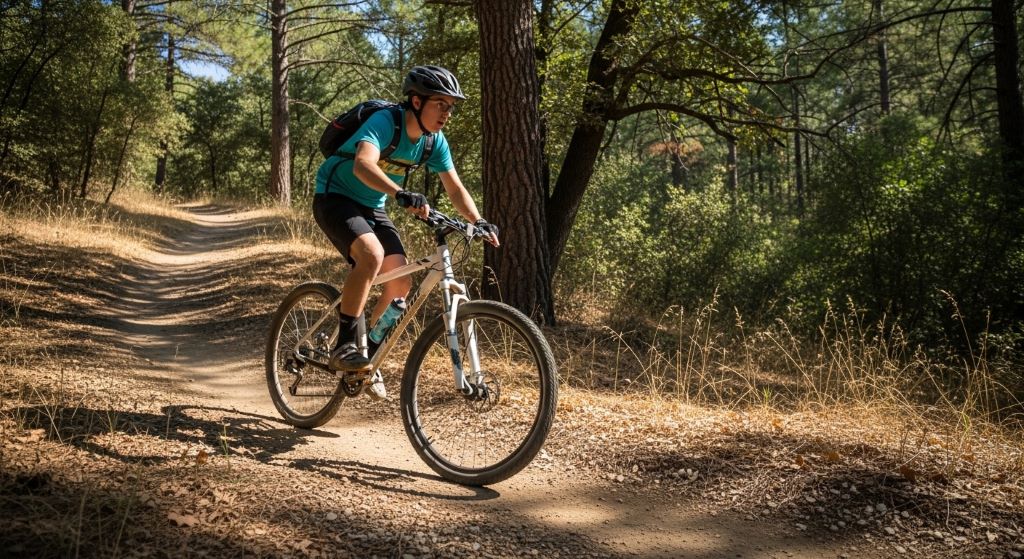
If you plan to ride on smooth trails, a basic hardtail bike will work well. However, rough terrains require better suspension and stronger tires.
Ask yourself a few simple questions:
- Will you ride on dirt trails or paved roads?
- Do you need the bike for daily commuting?
- How often will you ride?
Additionally, consider your fitness level. A beginner rider does not need advanced features. Therefore, keep things simple at the start.
Types of Mountain Bikes for Beginners
Hardtail Mountain Bikes
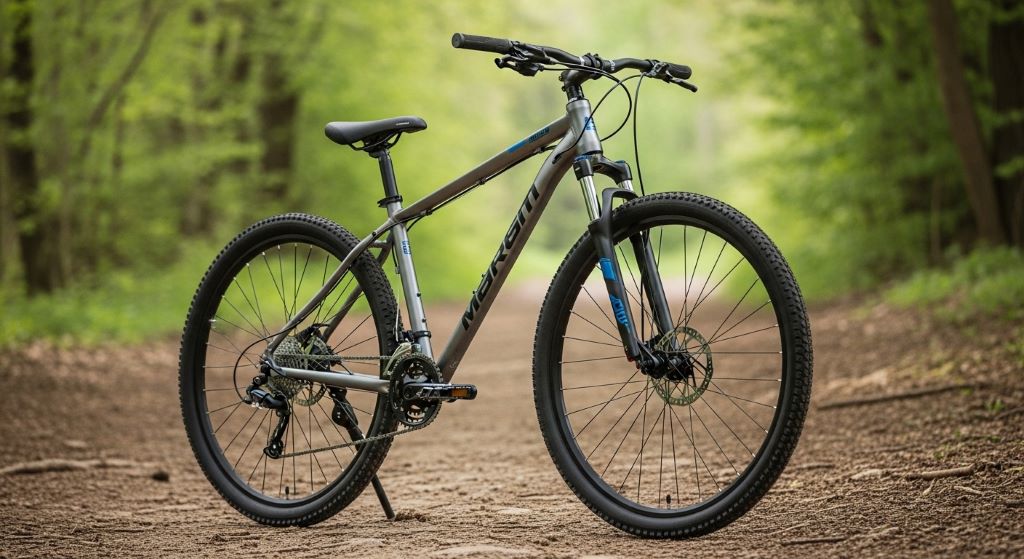
Hardtail bikes have suspension only in the front. They are lighter and easier to maintain. Additionally, they are perfect for beginners.
These bikes are ideal for light trails and general use. Therefore, they are often the best starting point.
Full Suspension Bikes
Full suspension bikes have both front and rear shocks. They provide more comfort on rough terrain. However, they are more expensive.
For beginners, these bikes may not be necessary. Therefore, consider them only if you plan to ride on very rough trails.
Rigid Bikes
Rigid bikes have no suspension. They are simple and low-cost. However, they are less comfortable on uneven terrain.
Still, they can work well for city rides and smooth paths.
Key Features to Look For
Frame Material
The frame is the backbone of the bike. Most budget bikes use aluminum. It is lightweight and rust-resistant.
Steel frames are also available. They are strong but heavier. However, they can absorb shocks better.
Wheel Size
Wheel size affects how the bike handles.
- 26-inch wheels are agile and easy to control
- 5-inch wheels offer balance
- 29-inch wheels roll faster and handle obstacles well
For beginners, 27.5-inch wheels are often the best choice. They provide a good mix of control and speed.
Suspension Quality
A basic front suspension fork is enough for beginners. However, make sure it is from a reliable brand.
Cheap suspension systems may not perform well. Therefore, it is better to choose simple but reliable components.
Gearing System
Most bikes come with multiple gears. These help you ride uphill and downhill with ease.
Look for a simple gear system. Too many gears can confuse beginners. Therefore, a 1x or 2x drivetrain is ideal.
Braking System
Disc brakes are now common. They offer better stopping power, especially in wet conditions.
Mechanical disc brakes are more affordable. Hydraulic brakes are better but cost more. Therefore, choose based on your budget.
How to Choose the Right Size
Bike size is very important. A wrong size can cause discomfort and poor control.
To find the right size:
- Check the manufacturer’s size chart
- Consider your height and inseam length
- Test ride if possible
Additionally, a properly sized bike improves safety. Therefore, never ignore this step.
Setting a Realistic Budget
Budget planning is key. Many beginners overspend on features they do not need.
A good beginner bike usually falls within an affordable range. However, prices vary based on components and brand.
When setting your budget, include:
- Helmet and safety gear
- Basic tools
- Maintenance costs
Therefore, do not spend all your money on the bike alone.
Where to Buy Your Bike
You can buy bikes from local shops or online stores. Each option has its pros and cons.
Local bike shops offer expert advice. Additionally, they provide after-sales service. However, prices may be higher.
Online stores often have better deals. However, you may need to assemble the bike yourself.
Therefore, choose based on your comfort level.
Common Mistakes to Avoid
Many beginners make avoidable mistakes. These can lead to poor riding experiences.
- Buying the cheapest bike without checking quality
- Ignoring bike size and fit
- Choosing complex features unnecessarily
- Skipping safety gear
Additionally, some riders focus only on looks. However, performance and comfort matter more.
Maintenance Tips for Beginners
Proper maintenance keeps your bike in good condition. It also extends its lifespan.
Simple tips include:
- Clean your bike regularly
- Check tire pressure before rides
- Lubricate the chain
- Inspect brakes and gears
Additionally, learn basic repairs. This will save time and money.
Best Features to Prioritize in 2026 Models
Bike technology continues to improve. Even budget models now include advanced features.
Look for:
- Lightweight frames
- Internal cable routing
- Tubeless-ready tires
- Improved geometry
These features enhance performance without increasing cost too much. Therefore, they are worth considering.
Comparing Value Instead of Price
Price alone should not guide your decision. Instead, focus on value.
A slightly higher price may offer better components. Therefore, it can be a smarter investment.
Compare:
- Frame quality
- Component reliability
- Brand reputation
Additionally, read reviews before buying. This helps you avoid poor-quality options.
Tips for First-Time Riders
Starting your mountain biking journey is exciting. However, it can also be challenging.
Follow these tips:
- Start with easy trails
- Practice basic skills
- Ride with experienced friends
- Wear safety gear
Additionally, take breaks when needed. Riding should be enjoyable, not stressful.
Balancing Performance and Cost
Finding the right balance is important. You want a bike that performs well but does not exceed your budget.
Cheap trail bikes can offer good performance if chosen wisely. However, avoid extremely low-cost options. They may lack durability.
Therefore, aim for a middle ground. This ensures both quality and affordability.
Future Upgrades to Consider
As you improve, you may want to upgrade your bike.
Common upgrades include:
- Better tires
- Improved suspension
- Hydraulic brakes
- Lightweight components
Additionally, upgrades can extend the life of your bike. Therefore, choose a model that allows future improvements.
Safety Essentials You Should Not Ignore
Safety is crucial in mountain biking. Beginners should prioritize protection.
Essential gear includes:
- Helmet
- Gloves
- Knee and elbow pads
Additionally, always check your bike before riding. This reduces the risk of accidents.
Environmental Considerations
Mountain biking connects you with nature. Therefore, it is important to ride responsibly.
- Stay on marked trails
- Avoid damaging vegetation
- Respect wildlife
Additionally, follow local regulations. This helps preserve trails for future riders.
Conclusion
Choosing the right beginner mountain bike in 2026 does not have to be complicated. By focusing on your needs, understanding key features, and setting a realistic budget, you can make a smart decision.
Affordable MTB options today offer great quality and performance. Additionally, cheap trail bikes can handle most beginner-level terrain with ease.
Remember to prioritize comfort, safety, and durability. Therefore, take your time and compare options before buying.
With the right bike, your riding journey will be enjoyable and rewarding.
FAQs
1. What is the best type of mountain bike for beginners?
Hardtail bikes are the best choice. They are simple, affordable, and easy to maintain.
2. How much should I spend on a beginner mountain bike?
A moderate budget is enough for a good-quality bike. Avoid extremely cheap options.
3. Are budget mountain bikes durable?
Yes, modern entry-level bikes are durable. However, proper maintenance is important.
4. Do I need suspension as a beginner?
Front suspension is enough for most beginners. It improves comfort and control.
5. Can I upgrade a budget mountain bike later?
Yes, many bikes allow upgrades. This helps improve performance over time.
Related Topics:
How Protein Skimmers Work in Saltwater Aquariums (Simple Explanation)
How to Improve Aquarium Water Clarity Using Reef Salt