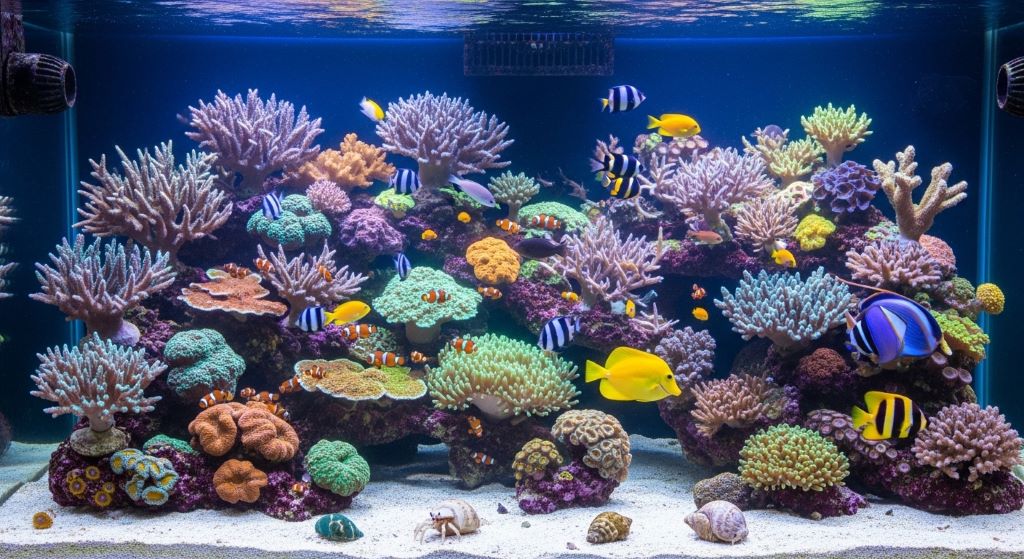
Crystal-clear water is the goal of every aquarium owner. When your tank looks clean and bright, your fish and coral thrive. When it turns cloudy or murky, something has gone wrong. Finding the cause and fixing it is not always simple. However, one element that many hobbyists overlook is reef salt and the role it plays in water quality.
Reef salt is not just for saltwater tanks. It affects mineral balance, pH stability, and biological processes in ways that directly impact how clear your water looks. Understanding how to use it properly, combined with smart filtration tips, can transform a cloudy tank into a sparkling showcase. This guide covers everything you need to know to get there.
What Causes Cloudy Aquarium Water in the First Place?
Before you can fix the problem, you need to understand what causes it. Cloudy water in an aquarium has several possible sources. Each one requires a slightly different solution.
Bacterial blooms are among the most common causes. When a tank is new, beneficial bacteria are still establishing themselves. During this period, free-floating bacteria can make the water appear white or milky. This typically clears on its own within a few days. However, it can also return if the tank is overfed or the biological balance is disrupted.
Algae growth is another frequent culprit. Green or yellowish water usually indicates a spike in algae. This happens when there is too much light, an excess of nutrients, or both. Algae thrives in nutrient-rich water, and once it blooms, clarity suffers quickly.
Particulate matter is also a major issue. Uneaten food, fish waste, and decaying plant material all break down into tiny particles. These particles suspend in the water column and scatter light, making the tank appear hazy.
Finally, improper salt mixing or mineral imbalances can cause cloudiness. This is where understanding reef salt becomes especially important.
What Is Reef Salt and Why Does It Matter?
Reef salt is a specially formulated salt mix designed to replicate the mineral composition of natural seawater. It typically contains sodium chloride along with a precise blend of calcium, magnesium, potassium, and trace elements like iodine and strontium.
The balance of these minerals is not just important for coral and marine life. It also affects the water chemistry in ways that influence clarity. For example, calcium and magnesium levels impact carbonate hardness, which in turn stabilizes pH. A stable pH prevents bacterial fluctuations that can cloud the water.
Additionally, reef salt contains buffers that help maintain alkalinity. Proper alkalinity prevents pH swings, which are a common trigger for bacterial blooms and biological instability. Therefore, using a quality reef salt and mixing it correctly is a foundational step in maintaining water clarity.
Not all salt mixes are equal. Budget brands often contain inconsistent mineral ratios. This can lead to unexpected fluctuations in water chemistry. Choosing a reputable, consistently formulated reef salt makes a measurable difference in long-term water quality.
How to Mix Reef Salt Correctly for Maximum Clarity
Incorrect salt mixing is one of the most underappreciated causes of cloudy aquarium water. Many hobbyists simply pour salt mix into their tank and let it dissolve. However, this approach causes problems.
Always Pre-Mix Your Salt
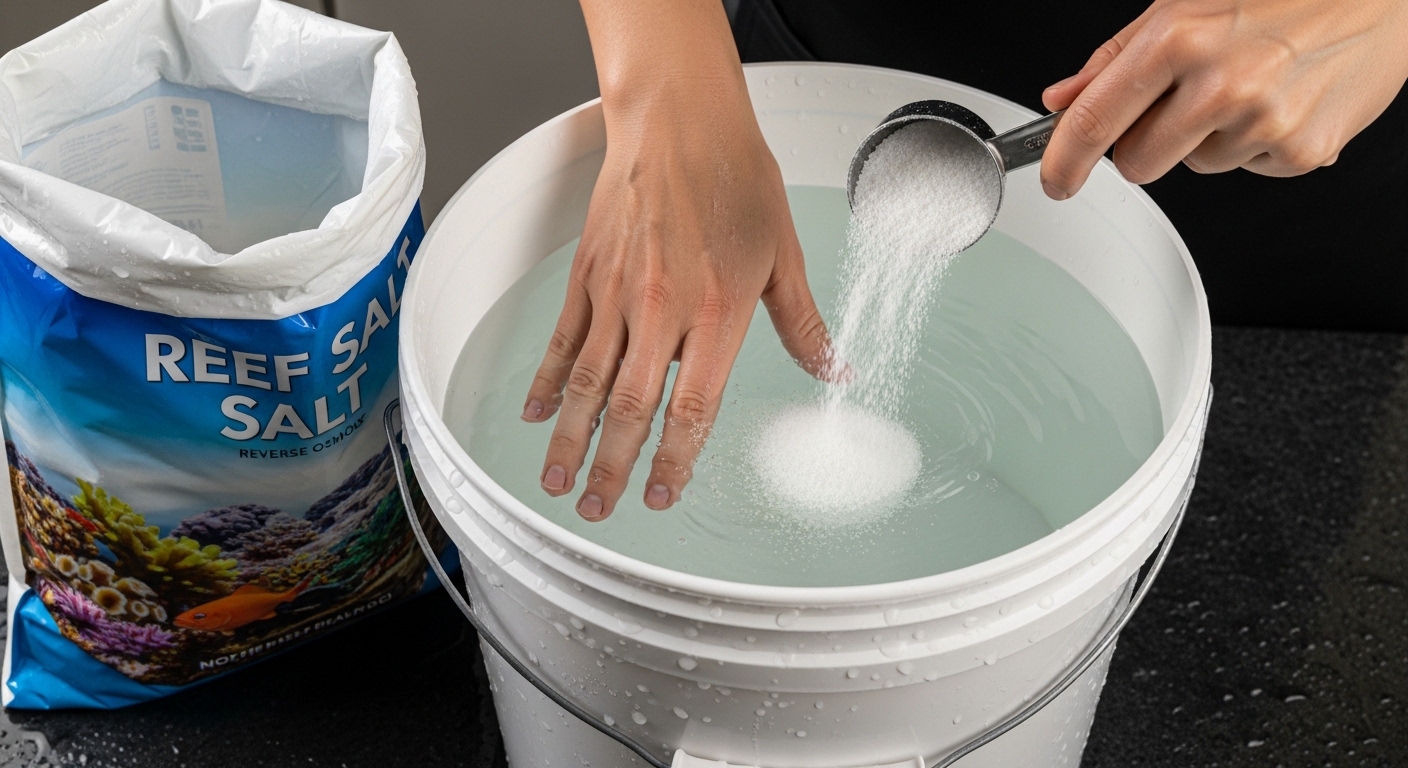
Never add dry salt mix directly to a tank with fish or coral. Undissolved salt can irritate fish, damage coral tissue, and create temporary cloudiness. Always mix your salt in a separate container first. Use a clean bucket or mixing station dedicated solely to saltwater preparation.
Use Reverse Osmosis or Deionized Water
The quality of your base water matters enormously. Tap water contains chlorine, chloramine, phosphates, and other contaminants. These substances interfere with the reef salt’s mineral balance and introduce nutrients that feed algae. Reverse osmosis and deionized water give you a clean, neutral starting point that allows the salt mix to perform as intended.
Mix Thoroughly and Allow Time to Stabilize
Mix your saltwater for at least 24 hours before adding it to your tank. Use a powerhead or circulation pump to keep the water moving throughout the mixing process. This ensures all minerals dissolve completely and the water reaches the correct temperature and salinity. Adding water that has not fully mixed can introduce particles and disrupt your tank’s chemistry.
Test Before Adding
Always test the salinity, pH, alkalinity, calcium, and magnesium levels of your prepared saltwater before adding it to the tank. This step prevents unwanted chemistry shifts that can trigger cloudiness and stress your aquarium inhabitants.
The Role of Filtration in Maintaining Water Clarity
Reef salt alone cannot keep your water clear. Filtration is equally critical. A well-designed filtration system removes physical particles, breaks down waste products, and maintains the biological balance that keeps water sparkling. Following the right filtration tips will amplify the benefits of your reef salt and keep your tank consistently clean.
Mechanical Filtration
Mechanical filtration physically traps particles floating in your water. Sponges, filter socks, and filter pads are common mechanical media. They catch uneaten food, fish waste, and other debris before it breaks down into ammonia.
However, mechanical media must be cleaned or replaced regularly. A dirty sponge or clogged filter sock becomes a source of pollution rather than a solution. Rinse mechanical media in tank water, not tap water, to preserve the beneficial bacteria living on it.
Biological Filtration
Biological filtration is the backbone of any healthy aquarium. Beneficial bacteria colonize porous surfaces and convert toxic ammonia into nitrite, then into far less harmful nitrate. Without a thriving biological filter, ammonia spikes quickly and water quality deteriorates fast.
Live rock is one of the best biological filtration media available for reef tanks. Its porous structure provides enormous surface area for bacterial colonization. Additionally, deep rock beds and refugiums with macroalgae further support biological processing.
Chemical Filtration
Chemical filtration removes dissolved organic compounds, tannins, and other substances that color or cloud your water. Activated carbon is the most widely used chemical filtration media. It absorbs impurities and helps polish the water to a clear finish.
Phosphate removers, such as granular ferric oxide, are also extremely useful. High phosphate levels feed algae and contribute to long-term cloudiness. Incorporating phosphate-removing media into your filter setup is one of the most impactful filtration tips you can act on immediately.
Protein Skimming
A protein skimmer removes dissolved organic waste before it has a chance to break down. It works by creating a column of fine bubbles that attract organic molecules. These molecules collect in a collection cup and are removed from the system entirely.
For reef tanks, a protein skimmer is almost essential. It dramatically reduces the organic load on your biological filter and keeps the water cleaner between water changes. Therefore, if you do not already have one, it is worth the investment.
Water Change Practices That Actually Improve Clarity
Regular water changes are one of the most reliable ways to maintain a clean fish tank. They dilute nitrates, replenish trace elements, and remove accumulated dissolved organics that filtration cannot always catch.
For reef tanks, a 10 to 20 percent water change weekly or biweekly is a common recommendation. However, the quality of the replacement water matters as much as the frequency. Using freshly mixed reef salt in properly prepared reverse osmosis water ensures you are adding clean, balanced water each time.
Siphon the substrate during water changes to remove debris that has settled on the bottom. Stirring up this waste and then siphoning it out prevents it from decomposing and releasing nutrients back into the water column.
Additionally, rinse or replace filter media during your water change routine. Combining a thorough media clean with a water change creates a powerful reset for your tank’s overall water quality.
Lighting, Feeding, and Stocking: The Hidden Clarity Factors
Water clarity is not purely about chemistry and filtration. Several other factors play a significant role.
Lighting
Too much light fuels algae growth. Limit your lighting to eight to ten hours per day. Additionally, avoid placing your tank near windows where sunlight can enter. Uncontrolled natural light is one of the fastest ways to trigger a green water algae bloom.
Feeding Habits
Overfeeding is a very common mistake. Uneaten food sinks to the bottom and decomposes rapidly. Feed your fish only what they can consume in two to three minutes. Remove any leftover food promptly. This one habit alone can make a significant difference in water clarity over time.
Stocking Levels
An overstocked tank produces more waste than the filtration system can handle. This leads to elevated ammonia and nitrate levels, which cloud the water and stress your fish. Stock your tank conservatively and upgrade filtration before adding new inhabitants.
Troubleshooting Persistent Cloudiness
Sometimes cloudiness persists despite your best efforts. When that happens, a systematic approach helps identify the cause.
Start by testing your water parameters. Check ammonia, nitrite, nitrate, phosphate, pH, alkalinity, calcium, and magnesium. A spike in any of these values points toward a specific problem. For example, high phosphate combined with green water confirms an algae issue. High ammonia with milky water suggests a bacterial bloom.
Next, inspect your filtration equipment. Is your protein skimmer producing skimmate? Is your mechanical media clean? Is your return pump flowing at full capacity? Equipment that is underperforming is often the culprit behind stubborn cloudiness.
Consider adding activated carbon if you have not already. A fresh dose of carbon can clear lightly cloudy water within 24 to 48 hours. For more severe cases, a small dose of flocculant, which binds particles together so they can be filtered out, can be effective. However, use flocculants sparingly and only in extreme situations.
Finally, check your reef salt mix. If you recently switched brands or changed your mixing routine, water chemistry imbalances may be contributing to the problem. Return to a consistent, tested routine and give the tank time to stabilize.
Conclusion
Achieving and maintaining crystal-clear aquarium water is the result of multiple factors working together. Reef salt plays a central role by stabilizing water chemistry, supporting biological processes, and replenishing the minerals that keep your tank healthy. However, it must be used correctly to deliver those benefits.
Combining quality reef salt with smart filtration tips gives you the foundation you need. Mechanical, biological, and chemical filtration each address different aspects of water quality. Together, they create a system that handles waste efficiently and keeps particles from clouding your tank.
Regular water changes, controlled lighting, disciplined feeding, and appropriate stocking levels all support the work your filtration system does. When these practices are combined consistently, a clean fish tank becomes the norm rather than the exception.
Start with the fundamentals: good salt, clean water, and a well-maintained filter. Build from there and your aquarium will reward you with the stunning clarity that makes the hobby so rewarding.
Frequently Asked Questions
1. Can I use reef salt in a freshwater aquarium to improve water clarity?
Reef salt is specifically formulated for saltwater and reef tanks. Adding it to a freshwater aquarium will raise salinity to levels that are harmful to freshwater fish and plants. Freshwater tanks have different chemistry needs. Therefore, stick to products designed for freshwater use if you are managing a freshwater setup.
2. How long does it take for cloudy aquarium water to clear up?
It depends on the cause. Bacterial blooms in new tanks typically clear within three to seven days as the tank cycles. Algae blooms respond to reduced lighting and feeding within one to two weeks. Particle cloudiness from disturbing the substrate usually settles within a few hours if filtration is working properly.
3. How often should I do water changes to maintain water clarity?
For reef tanks, a 10 to 20 percent water change every one to two weeks is a widely accepted standard. However, heavily stocked tanks or tanks with high nutrient loads may benefit from more frequent changes. Always use properly mixed reef salt in reverse osmosis water for the best results.
4. Does activated carbon remove beneficial minerals from reef salt?
Activated carbon primarily targets organic compounds, tannins, and pollutants. It does not significantly remove the major minerals found in reef salt, such as calcium, magnesium, or alkalinity buffers. However, it is still a good practice to monitor water parameters regularly when using carbon to ensure everything remains balanced.
5. What is the best way to prevent cloudy water from returning after clearing it?
Consistency is the key. Maintain a regular water change schedule, clean your filter media routinely, and avoid overfeeding. Keep your lighting on a timer and stock your tank conservatively. Additionally, use a quality reef salt and always prepare new saltwater in advance. These habits together create stable conditions that make cloudiness far less likely to return.
Related Topics:
How to Pick Safe Floating Plants for Betta Fish
How Protein Skimmers Work in Saltwater Aquariums (Simple Explanation)