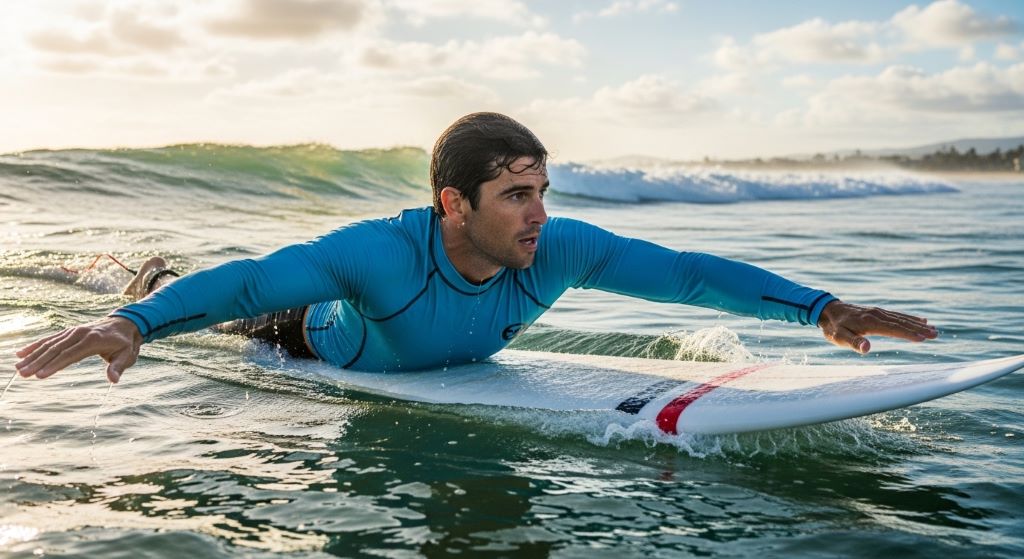
Spending time in the ocean is one of life’s great pleasures. However, without the right gear, it can leave your skin sunburned, chafed, and irritated. A surfing rash guard is one of the most important pieces of equipment any surfer can own. It protects your skin from the sun, the board, and the water itself.
Choosing the right one, however, is not always straightforward. There are dozens of styles, fabrics, and fits on the market today. This guide will help you cut through the noise and find the rash guard that suits you best. Whether you are just getting started or looking to upgrade your kit, this surf apparel guide has you covered.
What Is a Rash Guard and Why Do You Need One
A rash guard is a close-fitting athletic shirt made from stretchy, quick-drying fabric. It was originally designed to prevent skin irritation caused by surfboard wax rubbing against bare skin. Over time, it evolved into a multi-purpose piece of surf clothing worn by athletes around the world.
Today, rash guards serve several important functions. They protect your skin from the sun’s UV rays. They reduce friction against your board during paddling. They also provide a light layer of warmth in cooler water. Additionally, they help prevent jellyfish stings and minor scrapes from reef or rocks.
In short, a rash guard does a lot more than just protect from rashes. It is a foundational part of any serious surfer’s wardrobe.
Understanding UV Protection in Rash Guards
One of the most critical features to look for in a rash guard is UV protection. Prolonged sun exposure while surfing can cause serious skin damage over time. Even on cloudy days, UV rays penetrate the water’s surface and reflect back off it, exposing you from multiple angles at once.
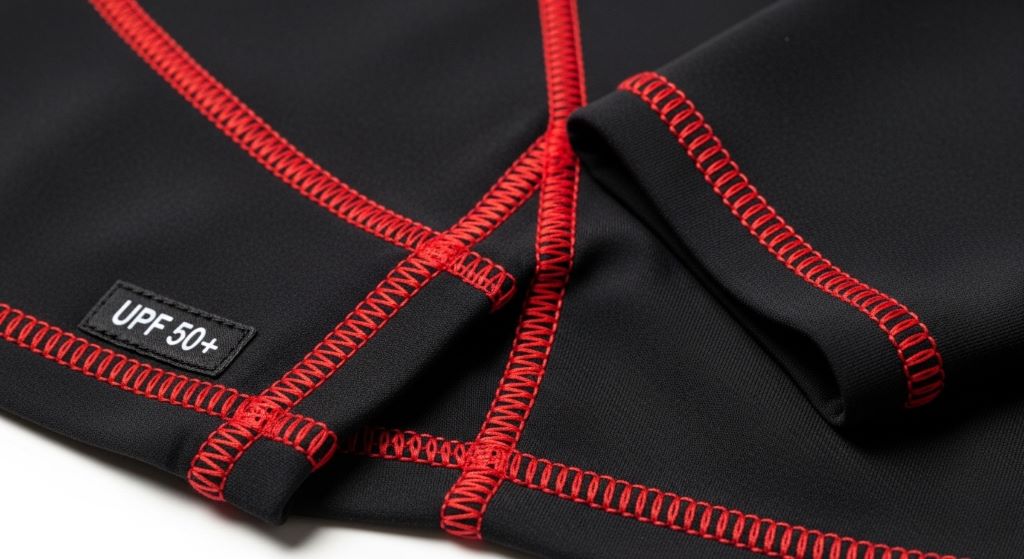
UV protection clothing is rated using a system called UPF, which stands for Ultraviolet Protection Factor. A UPF rating of 50 means the fabric blocks approximately 98 percent of UV rays. Most quality rash guards carry a UPF 50+ rating, which offers the highest level of fabric sun protection available.
When shopping, always check the UPF rating on the label or product description. A rash guard without a listed UPF rating may offer little to no real UV protection. Therefore, making UPF a non-negotiable feature in your search is wise.
Key Fabrics Used in Rash Guards
The fabric used in a rash guard determines how it feels, how long it lasts, and how well it performs in the water. There are a few common materials to know about.
Polyester is the most widely used fabric. It dries quickly, resists fading from sun and saltwater, and holds its shape well over time. Most standard rash guards are made from polyester blends.
Spandex, also called Lycra or elastane, is mixed with polyester to add stretch. This combination allows the shirt to move freely with your body without restricting your paddling or popping up on the board. A blend of around 80 percent polyester and 20 percent spandex is common in high-performance designs.
Nylon is another option. It is softer against the skin than polyester and drapes well. However, it tends to absorb slightly more water and may take longer to dry.
Short Sleeve vs Long Sleeve: Which Is Right for You
Rash guards come in short and long sleeve versions. Each has clear advantages depending on your conditions and preferences.
Short sleeve rash guards are lighter and cooler. They work well in warm, tropical water where overheating is more of a concern than sun exposure on your arms. They offer greater freedom of movement and feel less restrictive during dynamic sessions.
Long sleeve rash guards provide full arm coverage and maximum sun protection. They are the better choice for extended sessions, mid-day surfing, or destinations with intense UV exposure. Additionally, they offer more warmth in slightly cooler water without requiring a full wetsuit.
For most surfers who spend significant time in the sun, a long sleeve option is the more practical everyday choice. Short sleeves work well as a backup for quicker sessions in forgiving conditions.
Finding the Right Fit for Performance and Comfort
Fit is everything when it comes to rash guards. A well-fitted rash guard should feel snug without being restrictive. It should not bunch up, sag, or shift around while you move.
A loose rash guard can bunch under your wetsuit and cause uncomfortable pressure points. It can also ride up during paddling, exposing your lower back to sun and board friction. Therefore, a closer fit is almost always the better option.
When trying on or sizing a rash guard, pay attention to the length of the torso and sleeves. The shirt should stay tucked in throughout a full paddle motion without pulling at the shoulders. If it lifts significantly when you raise your arms, go with a longer cut.
For men surf gear specifically, many brands offer athletic cuts that account for broader shoulders and longer torsos. Look for options designed with active movement in mind rather than purely casual swim apparel.
Features That Improve Durability and Performance
Not all rash guards are built to the same standard. A few specific features separate a durable, high-performing rash guard from one that wears out after a season.
Flatlock stitching is a key detail. This stitching method lies flat against the skin, reducing pressure and preventing chafing in areas where the fabric folds. Look for it at the seams under the arms and across the shoulders.
Reinforced panels in high-friction areas, such as the chest and stomach, extend the life of the garment. These areas press against the board repeatedly, so extra durability there is a real benefit.
Some rash guards also feature built-in key loops, which are small fabric loops inside the collar to hold your locker key. It is a small touch, but a useful one when you are spending a full day at the beach.
Color and Style Considerations
Color might seem like a minor detail, but it can have practical implications. Darker colors absorb more heat, which may be uncomfortable in strong sun. Lighter colors reflect heat better and stay cooler on the body.
However, very light colors can become partially transparent when wet. A midtone color, such as navy, charcoal, or forest green, often strikes the right balance between sun reflection and opacity.
Style matters too, especially if you plan to wear your rash guard as beach apparel beyond just surfing. Many modern designs look clean and sharp, making the transition from water to boardwalk feel natural. Additionally, matching your rash guard with your boardshorts or other gear is easy when brands offer coordinated collections.
How to Care for Your Rash Guard
Proper care keeps your rash guard performing well and looking good for longer. Saltwater, sunscreen, and chlorine all degrade fabric over time if left untreated.
Rinse your rash guard in fresh, cool water after every session. This removes salt, sand, and chemicals that break down the fibers. Avoid using hot water, as it can damage the stretch in the spandex blend.
Hand washing is the gentlest method. If you use a machine, choose a delicate cycle with cold water and a mild detergent. Never put a rash guard in a dryer. High heat damages both the fabric and the UV protection coating. Instead, hang it in the shade to dry. Direct sun can fade colors over time.
Top Brands to Consider
Several brands have established strong reputations for quality rash guards. Quiksilver, Hurley, O’Neill, and Rip Curl have been producing surf apparel for decades and offer reliable options across different price points.
For premium performance, brands like Patagonia and Billabong offer rash guards made with high-quality materials and thoughtful construction. Additionally, surf-specific brands often provide a more tailored fit compared to general sportswear labels, which matters when you are paddling out through serious surf.
Checking reviews from other surfers is always a smart step. Real feedback from people who have used the garment in the water is more valuable than marketing copy alone.
Conclusion
Choosing the right surfing rash guard comes down to a handful of important factors. Start with UPF-rated UV protection clothing to shield your skin during every session. Then consider fabric quality, sleeve length, and fit to match your typical conditions and surf style.
Pay attention to construction details like flatlock stitching and reinforced panels, as these directly affect how long your rash guard holds up. Care for it properly after each session, and it will serve you well for many seasons to come.
This surf apparel guide gives you a solid foundation for making a confident, informed choice. Whether you need men surf gear built for serious paddle sessions or a versatile piece for light recreational surfing, the right rash guard is out there. Take your time, know what to look for, and enjoy every session with comfort and protection on your side.
Frequently Asked Questions
Do I need a rash guard if I already wear a wetsuit?
Yes, wearing a thin rash guard under your wetsuit reduces friction and makes putting it on and taking it off much easier. It also adds a small layer of warmth.
How do I know if a rash guard has good UV protection?
Look for a UPF 50+ rating on the label or product listing. This means the fabric blocks 98 percent or more of harmful UV rays during wear.
Can I wear a rash guard for swimming or other water sports?
Absolutely. Rash guards work well for swimming, snorkeling, paddleboarding, kayaking, and other water activities where sun protection and skin coverage matter.
How long does a rash guard typically last?
With proper care, a quality rash guard can last two to four years or longer. Rinsing after each use and avoiding machine drying significantly extends its lifespan.
Should a rash guard feel tight?
It should feel snug and close to the body, but not constricting. You should be able to raise your arms fully and rotate your shoulders freely without the fabric pulling.
Related Topics:
Bavilk Multi-Sport Helmet Review: Why It’s A Top Choice for Skaters and Cyclists
How Beginners Can Choose the Best Heated Wetsuit for Cold Water