Cold water shouldn’t stop you from enjoying your favorite water sports. Many beginners feel intimidated by winter conditions, but modern technology has made it easier than ever to stay warm while surfing, diving, or paddleboarding in chilly temperatures. Heated wetsuits have revolutionized cold water activities, making them accessible to people who previously avoided winter sessions.
Choosing your first heated wetsuit can feel overwhelming with so many options available. This guide will walk you through everything you need to know as a beginner. You’ll learn what features matter most, how to find the right fit, and what to expect from your investment. By the end, you’ll feel confident selecting equipment that keeps you comfortable and safe in cold conditions.
Understanding How Heated Wetsuits Work
Before diving into specific products, it’s helpful to understand the technology behind heated wetsuits. Unlike traditional wetsuits that rely solely on trapped water and neoprene insulation, heated suits incorporate battery-powered heating elements.
These heating elements are thin, flexible wires woven into the wetsuit material. They’re strategically placed in areas where you lose heat fastest, typically around your core, lower back, and sometimes along your limbs. When activated, these elements generate warmth that keeps your body temperature stable even in frigid water.
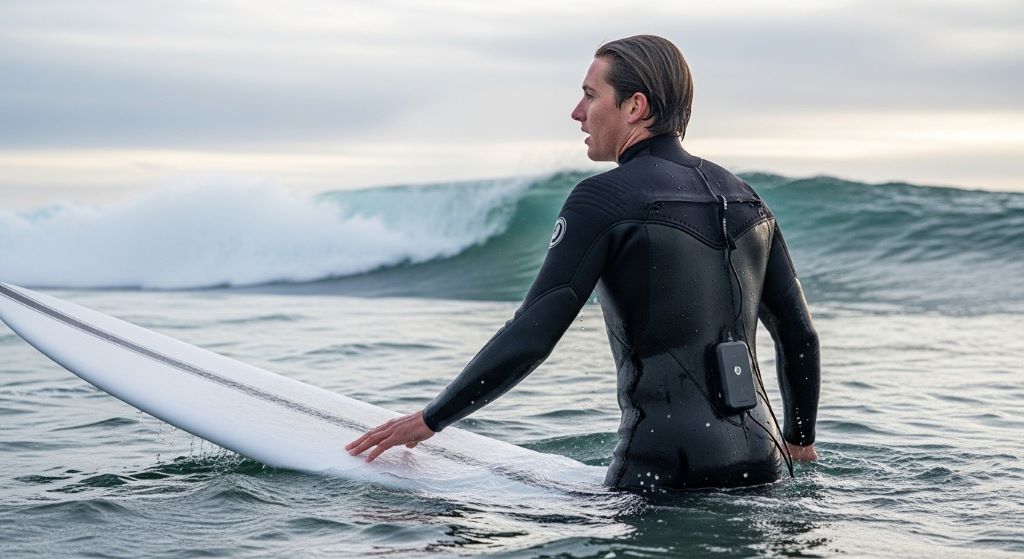
The batteries that power these systems are usually rechargeable lithium-ion units. They’re designed to be waterproof and are positioned in pockets that won’t interfere with your movement. Most systems offer multiple heat settings, allowing you to adjust warmth based on conditions and personal preference.
Modern heated wetsuits maintain the flexibility and mobility of traditional suits. Manufacturers have worked hard to ensure the heating elements don’t restrict your range of motion. This means you can paddle, duck dive, and maneuver just as easily as you would in a standard wetsuit.
Why Beginners Benefit from Heated Wetsuits
As a newcomer to cold water activities, you might wonder if investing in heated gear makes sense. Actually, beginners often benefit more from heated wetsuits than experienced athletes do.
When you’re learning a new water sport, you spend more time stationary or moving slowly. Experienced surfers paddle constantly and catch more waves, generating body heat through activity. Beginners, however, sit on their boards waiting, fall frequently, and generally move less efficiently. This slower pace means your body has less opportunity to generate its own warmth.
Cold water can be dangerously distracting when you’re trying to learn new skills. Shivering hands make it harder to grip your board. Numb feet reduce your balance and board feel. Chattering teeth and overall discomfort pull your focus away from technique. Therefore, staying warm allows you to concentrate on actually improving your skills.
Additionally, cold shock can trigger panic responses in inexperienced water users. Your body’s reaction to sudden cold immersion includes gasping, rapid breathing, and increased heart rate. These responses are harder to manage when you’re already nervous about being in the ocean. A heated wetsuit minimizes this shock, making your experience safer and more enjoyable.
Many beginners also have less tolerance for discomfort than seasoned athletes. There’s no shame in preferring comfort over suffering through cold sessions. If heated gear means you’ll actually get in the water regularly instead of making excuses, it’s absolutely worth the investment.
Key Features to Look for in Your First Heated Suit
When shopping for beginner winter surf gear, certain features matter more than others. Understanding these priorities helps you evaluate options effectively.
Battery life stands as one of the most critical considerations. Most heated wetsuits offer between two to eight hours of heat on a single charge, depending on the heat setting used. As a beginner, look for models providing at least four hours on medium settings. This gives you plenty of time for a session without worrying about the battery dying.
Heat distribution patterns vary between models. Some suits focus warmth primarily on the core, while others spread heating elements more broadly across the chest, back, and limbs. For beginners, core-focused heating usually provides the best value. Your body naturally prioritizes keeping your core warm, so supporting this process makes the biggest difference in overall comfort.
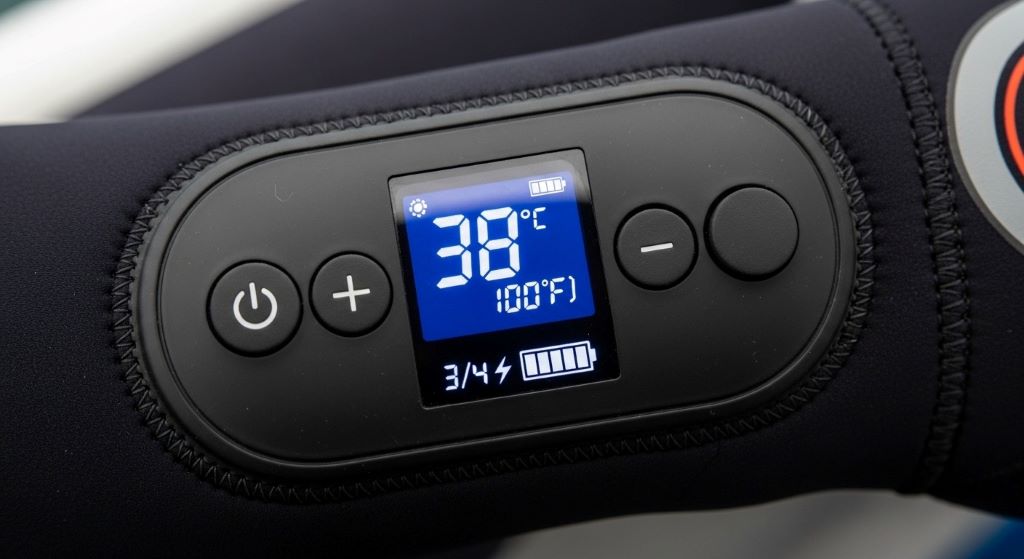
Ease of use matters tremendously when you’re new to heated gear. Look for systems with simple, intuitive controls. The best options feature large, easy-to-operate buttons that work even with cold, wet hands. Complicated smartphone apps or tiny switches become frustrating when you’re already dealing with the challenges of cold water conditions.
Durability determines how long your investment lasts. Quality construction with reinforced seams, waterproof battery compartments, and protected wiring systems ensures your suit survives the wear and tear of regular use. While cheaper options might seem appealing initially, they often fail after minimal use, making them poor long-term value.
Fit and flexibility remain just as important in heated suits as traditional wetsuits. The suit should fit snugly without restricting movement. Bunching, gaps, or tight spots all interfere with both warmth and mobility. Many manufacturers offer detailed sizing charts, so take accurate measurements before ordering.
Choosing the Right Thickness and Style
Heated wetsuits come in various thicknesses and styles. Selecting the appropriate option depends on your specific conditions and intended activities.
Wetsuit thickness is measured in millimeters, with numbers like 3/2mm or 5/4mm indicating the thickness at the torso versus the limbs. The first number represents core thickness, the second represents limb thickness. Thicker suits provide more insulation but reduce flexibility.
For most cold water conditions where you’d use an entry-level heated wetsuit, a 4/3mm or 5/4mm thickness works well. The heating elements supplement the neoprene insulation, so you don’t need the extreme thickness you might with a traditional suit in the same conditions. This means better mobility while maintaining warmth.
Full suits with attached hoods offer maximum coverage and warmth for the coldest conditions. The hood prevents significant heat loss through your head. However, some people find hoods restrictive or uncomfortable when learning. A hooded option gives you flexibility to use the hood when needed or fold it down when conditions permit.
Shortie styles with short arms and legs work for milder cold water or as transition season gear. These provide core warmth while allowing better mobility and easier entry and exit. They’re excellent choices if you’ll be in water that’s cool but not frigidly cold.
Entry systems vary between back zips, chest zips, and zipperless designs. For beginners, chest zip suits often provide the easiest entry without assistance. Back zips are traditional and familiar, but can be harder to manage alone. Zipperless suits offer superior warmth and flexibility but can be challenging to get on and off initially.
Understanding Temperature Ratings and Settings
Different heated wetsuits are designed for different temperature ranges. Matching your suit to your typical conditions ensures optimal performance.
Most manufacturers provide temperature recommendations for their products. These guidelines suggest which suit works best in various water temperatures. Pay attention to these recommendations, as they’re based on extensive testing.
Water temperatures between 40 and 55 degrees Fahrenheit represent typical cold water conditions for heated wetsuit use. Some models extend this range down to near-freezing temperatures, while others focus on the upper end of the cold spectrum. Consider where you’ll be spending most of your time in the water.
Heat settings typically range from low to high, with some models offering three or more levels. Higher settings provide more warmth but drain the battery faster. Learning to adjust settings appropriately helps maximize battery life while maintaining comfort.
Start sessions on a lower setting and increase heat as needed. Many people find they need less heat once they’re active in the water. This approach conserves battery and prevents overheating, which can be surprisingly uncomfortable.
Some advanced systems include temperature sensors that automatically adjust heat output. While convenient, these automated systems aren’t necessary for beginners and add to the cost. Manual controls work perfectly well once you learn your preferences.
Battery Considerations and Management
The battery system significantly impacts your heated wetsuit experience. Understanding battery basics helps you choose wisely and maintain your gear properly.
Battery capacity is measured in amp-hours or watt-hours. Higher numbers mean longer run times between charges. However, larger batteries also add weight and bulk. For beginners, a mid-range battery typically offers the best balance.
Removable batteries provide advantages over integrated systems. You can purchase spare batteries for longer sessions or back-to-back days. Swapping a fresh battery takes seconds, while an integrated system leaves you with a cold suit once the charge depletes.
Charging time varies from two to six hours depending on battery size and charger type. Consider whether overnight charging fits your routine or if you need faster charging capability for daily use.
Battery placement affects comfort and mobility. Most systems position batteries at the lower back, which keeps them out of the way during paddling. Some suits offer dual battery systems with smaller units on each side, distributing weight more evenly.
Cold temperatures reduce battery efficiency. Store batteries at room temperature before sessions and avoid leaving them in cold cars overnight. This simple practice significantly extends both single-session runtime and overall battery lifespan.
Maintenance and Care Requirements
Proper maintenance extends the life of your heated wetsuit and ensures reliable performance. Fortunately, caring for these suits isn’t significantly more complicated than maintaining traditional wetsuits.
Always remove batteries before rinsing your suit. Fresh water rinses after each use prevent salt buildup and corrosion. Pay special attention to zippers and connection points where salt can accumulate.
Hang your suit inside out to dry in a shaded, well-ventilated area. Never use direct sunlight or heat sources, as these damage both neoprene and electrical components. Allow the suit to dry completely before storage.
Store your wetsuit on a wide hanger to prevent creases and maintain shape. Keep it in a cool, dry location away from direct sunlight. Don’t fold heated suits, as this can damage the internal wiring over time.
Battery maintenance involves periodic charging even during off-season storage. Lithium-ion batteries last longer when stored at 40 to 50 percent charge rather than fully charged or completely depleted. Check manufacturer recommendations for specific storage guidelines.
Inspect your suit regularly for damage. Look for exposed wires, damaged seams, or compromised waterproofing around battery compartments. Address small issues promptly before they become major problems.
Budget Considerations for New Users
Heated wetsuits represent a significant investment compared to traditional suits. Understanding pricing helps you set realistic expectations and make informed decisions.
Entry-level heated wetsuits typically range from 400 to 800 dollars. This price includes the suit and basic battery system. While more expensive than traditional wetsuits, consider the extended season and increased comfort you gain.
Premium models can exceed 1,000 dollars, offering features like longer battery life, more sophisticated heating zones, and superior construction. However, beginners rarely need these advanced features initially. An easy-use heated suit at the lower end of the price spectrum usually serves newcomers perfectly well.
Additional costs include replacement batteries, which range from 100 to 300 dollars depending on capacity. Many users find having a spare battery worthwhile, essentially doubling available session time.
Consider the total cost of ownership over time. A quality heated suit that lasts five years costs less per use than a cheaper option that fails after one season. Additionally, factor in the value of actually using your suit regularly versus a traditional wetsuit that keeps you out of the water.
Some retailers offer financing options or seasonal sales that make heated suits more accessible. Shopping during off-season months sometimes yields significant discounts. However, ensure you’re buying current models with available support and replacement parts.
Safety Considerations for Cold Water Activities
Even with excellent gear, cold water activities carry inherent risks. Understanding safety basics protects you while you’re learning.
Never rely solely on your heated suit for warmth. Hypothermia remains possible even with functioning heating elements. Know the signs of cold stress, including excessive shivering, confusion, slurred speech, and loss of coordination. Exit the water immediately if you experience these symptoms.
Always surf, dive, or paddle with others when possible. Having someone nearby who can help if problems arise significantly increases safety. Let someone onshore know your plans and expected return time.
Start with shorter sessions as you adjust to cold water activities. Even if you feel comfortable temperature-wise, cold water taxes your body in ways that aren’t immediately obvious. Build endurance gradually over several weeks.
Check your equipment before each use. Ensure batteries are charged, heating elements function properly, and the suit has no damage. Equipment failure in cold water can quickly become dangerous.
Understand local conditions, including currents, tides, and water temperature variations. Some areas experience dramatic temperature drops at certain depths or locations. Research thoroughly before exploring new spots.
Making Your Final Decision
After considering all these factors, you’re ready to choose your first heated wetsuit. Here’s how to finalize your decision with confidence.
Create a list of your must-have features versus nice-to-have options. This helps you focus on what truly matters for your situation. Must-haves might include battery life and core heating, while nice-to-haves could be smartphone connectivity or multiple heat zones.
Read reviews from other beginners rather than only considering expert opinions. Experienced users have different priorities and tolerances than newcomers. Beginner perspectives often highlight usability issues that experts overlook.
If possible, try suits before buying. Some surf shops and rental facilities offer heated wetsuit trials. Even brief experience with different brands helps you understand what feels right.
Consider the brand’s reputation for customer service and warranty coverage. Quality companies stand behind their products with meaningful warranties and responsive support. This matters tremendously if you encounter problems.
Don’t overthink your decision. While choosing carefully makes sense, no suit is perfect. You’ll learn your preferences through actual use. Even if your first suit isn’t ideal, the experience guides better decisions for future purchases.
Getting the Most from Your Investment
Once you’ve purchased your heated wetsuit, these strategies help you maximize its value and performance.
Take time to learn all the features before your first water session. Practice putting the suit on and off, adjusting heat settings, and installing batteries while you’re warm and dry. Familiarity makes everything easier when you’re cold and excited to get in the water.
Keep a session log noting water temperature, heat settings used, and battery life achieved. This information helps you optimize future sessions and identify your preferences.
Join online communities focused on cold water sports. Other users share tips, troubleshooting advice, and modification ideas. These communities provide valuable support beyond what manufacturers offer.
Experiment with layering. Some conditions benefit from wearing a thin base layer under your heated suit. Others work better with the suit directly against skin. Testing different approaches reveals what works best for you.
Don’t be discouraged by initial adjustment periods. Your first few sessions might involve discovering uncomfortable features or settings that need tweaking. This learning curve is normal. Persistence pays off with seasons of comfortable cold water enjoyment.
Conclusion
Choosing your first heated wetsuit doesn’t need to be complicated. Focus on fundamental features like adequate battery life, core-focused heating, and simple controls. Ensure proper fit and appropriate thickness for your typical conditions. While beginner winter surf gear requires larger upfront investment than traditional equipment, the extended season and increased comfort justify the cost.
Remember that heated suits make cold water accessible rather than merely tolerable. They remove a major barrier preventing many people from enjoying winter sessions. As a beginner, staying warm allows you to focus on developing skills rather than managing discomfort.
Start with a quality entry-level heated wetsuit that meets your basic needs. You can always upgrade to more sophisticated options as you gain experience and better understand your preferences. The most important step is getting in the water consistently, and the right heated suit makes that possible year-round.
By following the guidance in this article, you’ll select equipment that keeps you comfortable, safe, and eager to continue learning throughout the coldest months. The freedom to pursue your passion regardless of season makes heated wetsuit technology one of the most valuable innovations in water sports.
Frequently Asked Questions
Can I use a heated wetsuit in a swimming pool?
Yes, heated wetsuits work in pools, though they’re typically unnecessary in heated facilities. If you swim in outdoor pools during cold weather, a heated suit provides excellent comfort. However, some pools prohibit wetsuits entirely, so check facility rules before investing in one specifically for pool use.
How long do heated wetsuit batteries typically last before replacement?
Quality lithium-ion wetsuit batteries usually last 300 to 500 charge cycles before noticeable capacity decline. With proper care and storage, this translates to three to five years for most recreational users. Battery lifespan depends heavily on charging habits, storage conditions, and usage patterns.
Do I need special undergarments with a heated wetsuit?
Most heated wetsuits work best worn directly against skin, just like traditional wetsuits. However, some people prefer thin synthetic base layers for additional warmth or comfort. Avoid cotton undergarments, as they retain water and actually make you colder. Experiment to find what feels best for your body.
Can heated wetsuits be repaired if the heating elements stop working?
Many manufacturers offer repair services for damaged heating elements and wiring. However, repairs can be expensive and time-consuming. Some brands provide better support than others, making warranty coverage and repair policies important selection criteria. Minor external damage to neoprene can usually be repaired like traditional wetsuits.
Are heated wetsuits safe to use in saltwater?
Absolutely. Heated wetsuits are specifically designed for ocean use with fully waterproof, corrosion-resistant components. The electrical systems pose no shock risk when properly maintained. Always rinse thoroughly with fresh water after saltwater use to prevent salt buildup and corrosion, extending your suit’s lifespan.
Related Topics:
What is a Skateboard Hanger
How do press conferences work in sports?