
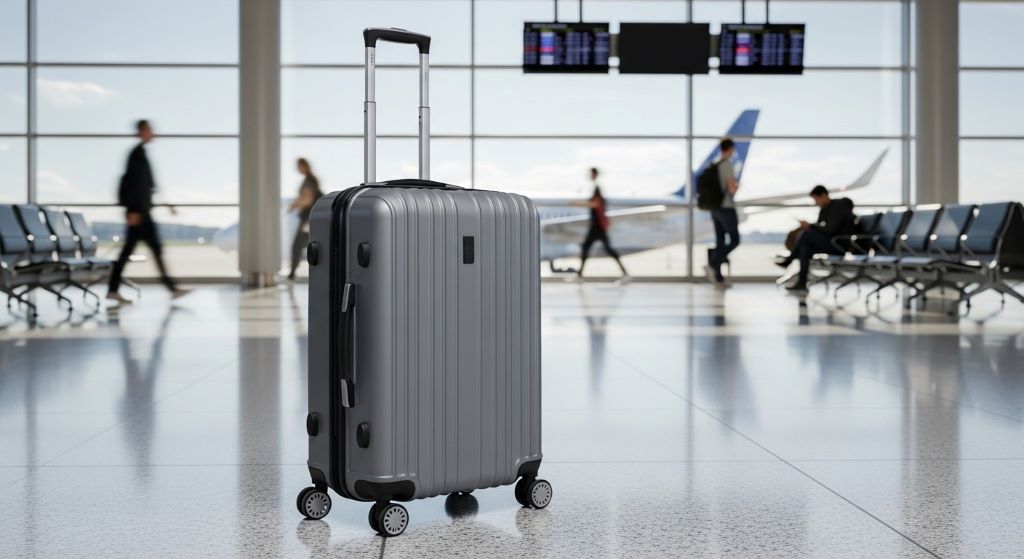
Traveling should be an exciting adventure, not a struggle with heavy bags. Modern travelers face a common dilemma: finding luggage that weighs practically nothing while still protecting belongings through countless trips. This guide will help you navigate the world of travel bags and make an informed decision that balances weight with longevity.
Why Weight Matters More Than Ever
Airlines have become increasingly strict about baggage weight limits. Every pound counts when you’re trying to avoid excess fees. Moreover, lighter bags mean less strain on your body as you navigate airports, train stations, and hotel lobbies. However, choosing the lightest option without considering durability can lead to frustration and wasted money.
The key lies in understanding that lightweight doesn’t mean flimsy. Modern materials and construction techniques have revolutionized luggage design. Manufacturers now create bags that weigh surprisingly little while offering excellent protection for your belongings.
Understanding Modern Luggage Materials
The material of your suitcase determines both its weight and strength. Different materials serve different purposes, and knowing their characteristics helps you make better choices.
Polycarbonate luggage has become increasingly popular among frequent travelers. This material offers an excellent strength-to-weight ratio. It flexes under impact rather than cracking, which makes it ideal for rough handling. Additionally, this thermoplastic material resists scratches better than many alternatives. Many premium brands now favor this material for their high-end collections.
Hard-shell alternatives include ABS plastic and aluminum. ABS costs less but weighs more and offers less impact resistance. Aluminum provides superior protection but adds significant weight. Therefore, travelers must decide whether the extra protection justifies carrying heavier bags.
Soft-sided luggage uses materials like ballistic nylon or polyester. These fabrics weigh very little and often include external pockets for organization. However, they provide less protection against crushing and water damage. They work well for shorter trips or when you need flexibility in packing.
Hybrid designs combine hard and soft elements. These innovative options give you protection where needed while keeping weight down. The strategic use of different materials creates versatile luggage suited for various travel styles.
Evaluating Construction Quality
Material selection represents only part of the durability equation. How manufacturers assemble luggage components significantly impacts longevity.
Examine the corners and edges first. These areas endure the most stress during travel. Quality bags reinforce these vulnerable spots with additional material or protective caps. Furthermore, check the connection points between the shell and frame. Weak joints lead to separation and failure.
Zippers deserve special attention because they fail more frequently than other components. Look for self-repairing zippers with sturdy pulls. YKK zippers have earned a reputation for reliability and appear on many quality bags. The zipper track should sit flat without gaps or misalignment.
Wheel systems make or break the user experience. Spinner wheels offer easy maneuverability but contain more parts that can fail. Inline skate wheels provide durability and smooth rolling. Check that wheels attach securely to the frame with metal hardware rather than plastic clips.
Handles must withstand repeated pulling and lifting. Telescoping handles should extend smoothly and lock firmly at different heights. The grip material should feel comfortable and resist deterioration from hand oils and weather exposure. Side and top handles need strong stitching or rivets securing them to the bag body.
Decoding Weight Specifications
Understanding luggage weight helps you compare options effectively. Manufacturers list weights in pounds or kilograms, but these numbers need context.
Empty weight indicates how much the bag weighs before you pack anything. This figure lets you calculate how much weight remains for your belongings under airline limits. A bag weighing eight pounds leaves you with about 42 pounds for contents if you have a 50-pound limit.
However, consider the size alongside weight. A large bag that weighs seven pounds may not be lighter than a medium bag at eight pounds when you factor in capacity. Calculate the weight-to-volume ratio to find truly efficient designs.
Don’t obsess over saving a single pound if it means sacrificing features you’ll use. Expandable compartments, compression straps, and organizational pockets add minimal weight but provide significant convenience. Balance weight savings with practical functionality.
Reading Between the Lines of Reviews
Consumer feedback provides valuable insights that specifications cannot capture. Learning to interpret reviews helps you identify patterns and avoid problematic products.
When examining lightweight suitcase reviews, look for comments about long-term performance rather than first impressions. A bag might seem perfect initially but develop issues after several trips. Reviews mentioning durability after months or years of use carry more weight than those written immediately after purchase.
Pay attention to the reviewer’s travel style. Someone who checks bags on every flight will have different experiences than a carry-on-only traveler. Business travelers who fly weekly will stress-test luggage differently than vacation travelers who fly twice yearly.
Negative reviews deserve careful reading. Determine whether problems stem from manufacturing defects or design flaws. Isolated complaints about broken wheels might indicate a quality control issue with one batch. Widespread complaints about the same problem suggest a fundamental design weakness.
Positive reviews should mention specific features and experiences. Generic praise like “great bag” offers less value than detailed observations about how well wheels performed on cobblestone streets or how the bag survived rough baggage handlers.
Size Considerations for Different Trip Types
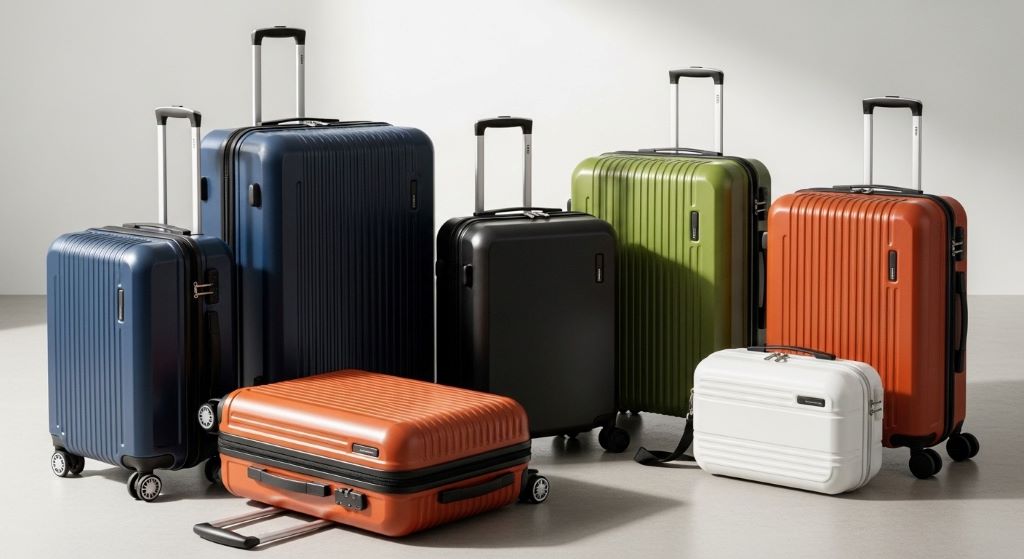
Choosing the right size affects both weight and practicality. Different travel scenarios call for different luggage dimensions.
Carry-on bags must meet airline size restrictions while maximizing capacity. Most airlines allow bags up to 22 inches tall, but some budget carriers impose stricter limits. A bag that works for one airline might not work for another. Therefore, check requirements before purchasing if you fly various carriers.
Checked bags offer more flexibility in size. Medium checked bags around 25 inches suit most week-long trips. Large bags exceeding 28 inches work for extended journeys or when you need to pack for multiple people. However, bigger doesn’t always mean better. Larger bags tempt you to overpack, increasing weight and fees.
Consider your packing style honestly. Efficient packers can manage longer trips with smaller bags. Those who prefer more clothing options need additional space. Your typical trip length and destination climate should guide size selection.
Special Features Worth the Extra Ounces
Some features add weight but provide enough value to justify their inclusion. Knowing which extras enhance your experience helps you make smart compromises.
Built-in locks add minimal weight while protecting contents. TSA-approved locks let security inspect bags without breaking your lock. This feature particularly benefits international travelers visiting destinations with higher theft risks.
Compression systems help maximize space. Internal straps keep clothing organized and prevent shifting during transit. While they add a few ounces, they can reduce the need for packing cubes or additional organizers.
Garment compartments benefit business travelers who need wrinkle-free clothing. However, these features add structure and weight. Assess whether you truly need this capability or can achieve similar results with packing techniques.
Removable batteries for charging devices seem convenient but add weight and may face restrictions. Consider whether you’ll actually use this feature or if a separate power bank offers more flexibility.
Warranty and Customer Service Considerations
The best lightweight bag means nothing if the company won’t stand behind it. Warranty terms reveal manufacturer confidence in their products.
Lifetime warranties sound impressive but read the fine print. Some cover only manufacturing defects, excluding wear and tear or airline damage. Others require you to pay shipping costs that exceed the bag’s value. Limited warranties typically range from one to ten years. Longer coverage generally indicates better quality, though not always.
Customer service responsiveness matters when problems arise. Research how companies handle warranty claims. Do they replace bags quickly or make customers jump through hoops? Reading experiences from other customers helps set realistic expectations.
Some brands offer repair services beyond warranty periods. This option extends luggage life and reduces waste. Companies with repair programs often build more durable products because they know they’ll see them again.
Price Points and Value Assessment
Luggage prices range from budget-friendly to luxury levels. Understanding what you get at different price points helps you find the sweet spot.
Budget bags under $100 often sacrifice durability for affordability. They might last several trips but rarely survive years of regular use. These options work for occasional travelers who fly once or twice annually. They also suit those testing different travel styles before investing more.
Mid-range bags between $100 and $300 offer the best value for most travelers. This category includes quality materials and construction without luxury branding costs. Many reliable brands occupy this space, providing bags that last years with proper care.
Premium bags exceeding $300 feature top-tier materials and meticulous construction. They often include lifetime warranties and superior customer service. Frequent travelers who log dozens of flights yearly find value in this investment. However, casual travelers might not recoup the extra cost.
Don’t assume higher prices guarantee better quality. Some brands charge premium prices for marketing and aesthetics rather than superior performance. Conversely, lesser-known brands sometimes offer excellent quality at lower prices because they invest in product rather than advertising.
Maintenance Tips for Longevity
Proper care extends luggage life regardless of quality. Simple maintenance habits prevent premature wear and keep bags looking new longer.
Clean your bag after each trip. Wipe down hard shells with damp cloths to remove dirt and grime. Vacuum fabric interiors to extract dust and debris. This prevents buildup that can damage materials over time. Additionally, prompt cleaning prevents stains from setting.
Store luggage properly between trips. Keep bags in cool, dry places away from direct sunlight. UV rays fade colors and degrade materials. Stuff bags lightly with packing paper to maintain shape and prevent creasing. Never store heavy items inside that could cause permanent dents.
Inspect wheels and handles regularly. Tighten loose screws before they fall out. Lubricate wheel bearings if they start squeaking or catching. These simple steps prevent minor issues from becoming major problems.
Address damage immediately. Small tears or cracks grow larger if ignored. Many minor repairs cost little but prevent bag replacement. Check if your manufacturer offers repair services or recommendations for local luggage repair shops.
Making Your Final Decision
After considering all factors, narrow your choices using a systematic approach. This method prevents impulse purchases and ensures satisfaction.
List your must-have features based on your travel patterns. Distinguish between nice-to-have extras and essential elements. This clarity helps you avoid paying for features you won’t use while ensuring you don’t compromise on important aspects.
Compare your top three to five options side by side. Create a simple chart listing weight, price, warranty, and key features. Visual comparison reveals which options offer the best overall package for your needs.
If possible, see bags in person before purchasing. Photos don’t always accurately represent size, color, or construction quality. Handle the bag, test the wheels, and examine the materials. This hands-on evaluation often reveals details that online research misses.
Read return policies carefully. Even careful research can’t guarantee perfect satisfaction. Knowing you can return or exchange bags removes pressure from the decision and lets you test the product risk-free.
Conclusion
Finding lightweight travel luggage without sacrificing durability requires balancing multiple factors. Understanding materials like polycarbonate luggage helps you evaluate strength-to-weight ratios effectively. Construction quality, including reinforced corners and reliable zippers, determines how well bags withstand travel rigors. Consulting lightweight suitcase reviews provides real-world insights beyond manufacturer claims. Consider your specific travel needs, from trip length to airline restrictions, when selecting size and features. Remember that proper maintenance extends the life of any bag, making your investment last longer. By carefully weighing weight, durability, price, and features, you can find luggage that serves you well for years of adventures.
Frequently Asked Questions
What weight should I target for carry-on luggage?
Quality carry-on bags typically weigh between 5 and 8 pounds empty. Bags under 6 pounds offer excellent portability while still providing adequate protection. However, prioritize durability and features over shaving off the last pound, as extremely lightweight bags sometimes compromise longevity.
How long should quality luggage last with regular use?
Well-made luggage should last 5 to 10 years with regular travel. Frequent flyers who take dozens of trips annually might replace bags sooner, while occasional travelers can expect longer lifespans. Proper maintenance and careful handling significantly extend durability regardless of usage frequency.
Are hard-shell or soft-sided bags more durable?
Hard-shell bags generally offer better protection against impacts and crushing, making them more durable for checked luggage. Soft-sided bags provide flexibility and external storage but offer less protection. Your choice should depend on whether you primarily check bags or carry them aboard and how much protection your belongings require.
Do expensive bags really perform better than budget options?
Higher-priced bags typically feature better materials, construction, and warranties that justify the cost for frequent travelers. However, budget bags can adequately serve occasional travelers who fly infrequently. The key lies in matching your purchase to your travel frequency rather than assuming the most expensive option is always best.
Should I buy a luggage set or individual pieces?
Individual pieces let you select exactly what you need without paying for sizes you won’t use. Sets offer cost savings when you need multiple bags but may include pieces that don’t match your travel style. Assess your actual needs before committing to a set to ensure every piece provides value.
Related Topics:
Ancient Sites to Visit Near Drogheda
Glenariff Forest Park – Exploring the Emerald Isle
