Head spas have become increasingly popular in recent years, particularly as people search for natural ways to relax and find relief from everyday stress. These specialized treatments focus on the scalp, hair, and upper body to provide a deeply calming experience. However, many wonder whether these luxurious sessions can actually help with headaches. This article explores what head spas are, how they work, and whether they can truly provide headache relief.
Understanding What a Head Spa Is
A head spa is a therapeutic treatment that focuses primarily on the scalp and hair. Unlike regular hair salon visits, head spas combine deep cleansing, massage, and relaxation techniques to promote both physical and mental wellbeing. The treatment typically takes place in a calm, spa-like environment designed to reduce stress.
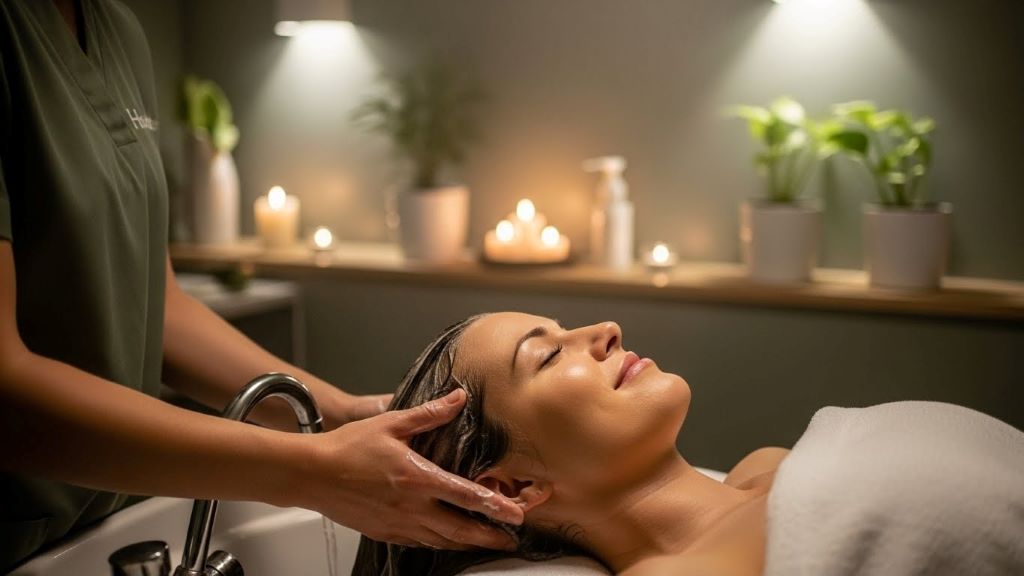
During a head spa session, trained therapists use various techniques to stimulate the scalp and improve circulation. The experience often includes several stages, such as scalp analysis, deep cleansing, exfoliation, massage, and moisturizing treatments. Additionally, many head spas incorporate aromatherapy and warm water therapy to enhance relaxation.
The entire process usually lasts between 45 minutes and two hours, depending on the specific package chosen. Furthermore, head spas often use specialized products containing natural ingredients like essential oils, herbal extracts, and vitamins that nourish both the scalp and hair.
The Science Behind Head Spa Treatments
Head spa treatments work by targeting several key areas that contribute to overall wellness. First, the massage techniques used during these sessions help increase blood circulation to the scalp. This improved circulation delivers more oxygen and nutrients to hair follicles and surrounding tissues.
Moreover, the gentle pressure applied during scalp massage can stimulate pressure points connected to various parts of the body. These pressure points, according to traditional medicine practices, may influence pain perception and stress levels. Therefore, working on these specific areas could potentially provide relief from tension and discomfort.
The relaxation component is equally important. When the body enters a state of deep relaxation, it releases endorphins, which are natural pain-relieving chemicals. Consequently, the calming environment and therapeutic touch of a head spa may trigger this beneficial response.
How Head Spas May Relieve Headaches
Many people report experiencing headache relief after head spa treatments. This relief can be attributed to several factors working together to address common headache triggers.
Tension Reduction
Tension headaches are among the most common types of headaches people experience. These headaches often result from tight muscles in the scalp, neck, and shoulders. During a head spa session, therapists massage these areas thoroughly, helping to release built-up tension. As a result, many clients notice their headache symptoms diminishing during or shortly after treatment.
Improved Blood Flow
Poor circulation can contribute to headaches and migraines. The massage techniques used in head spas promote better blood flow throughout the scalp and head region. This increased circulation may help reduce the frequency and intensity of headaches over time. Additionally, better blood flow means more oxygen reaches the brain, which can help alleviate headache symptoms.
Stress Management
Stress is a major trigger for many types of headaches. Head spas provide a dedicated time and space for relaxation and stress relief. The combination of soothing touch, calming environment, and pleasant aromatherapy helps lower stress hormone levels. Therefore, regular head spa visits might help prevent stress-related headaches from occurring in the first place.
Sinus Relief
Some head spas include techniques that focus on areas around the sinuses. Gentle pressure and massage around the forehead, temples, and cheekbones can help relieve sinus congestion. For individuals who experience sinus headaches, this type of treatment may provide significant relief.
What to Expect During Your First Head Spa Visit
If you are considering trying a head spa for headache relief, knowing what to expect can help you feel more comfortable. When you arrive, the therapist will likely begin with a consultation to understand your specific concerns and health history.
Next, you will be seated in a comfortable chair, often one that reclines to allow for maximum relaxation. The therapist will then analyze your scalp condition to determine which products and techniques will be most beneficial. Following this assessment, the treatment begins with a thorough cleansing of your hair and scalp.
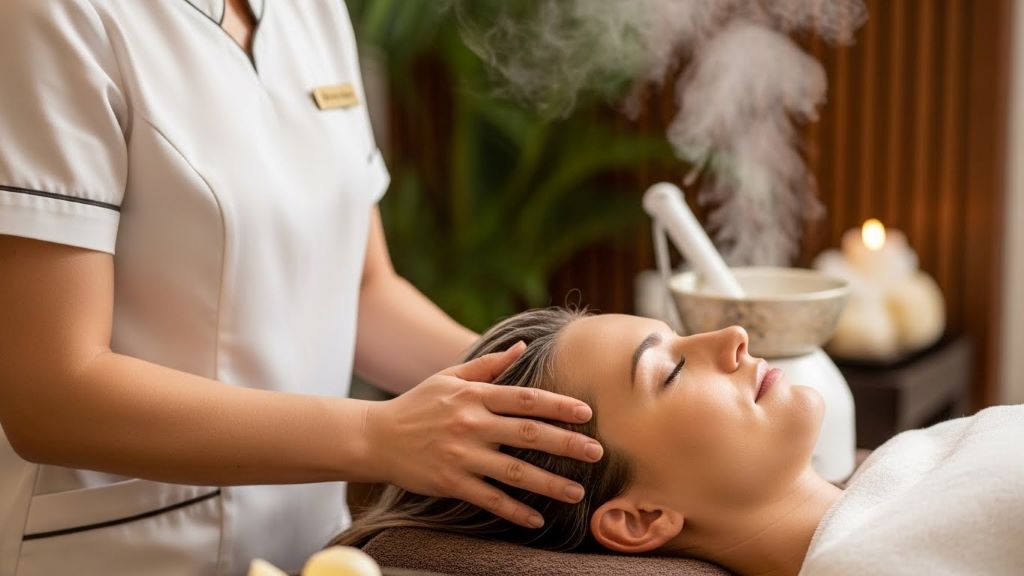
The massage portion typically starts gently and gradually increases in pressure based on your comfort level. Throughout the session, warm water or steam may be used to open pores and enhance product absorption. Many facilities also incorporate additional elements like hot towels, aromatherapy, and soothing music to create a complete sensory experience.
Types of Head Spa Treatments Available
Various types of head spa treatments exist, each offering slightly different benefits. Traditional Japanese head spas focus on thorough cleansing and scalp health, often using specialized tools and techniques passed down through generations. These treatments emphasize the connection between scalp health and overall wellness.
Ayurvedic head spas draw from ancient Indian healing practices. These treatments often include the use of warm herbal oils massaged into the scalp and hair. The oils are selected based on individual needs and traditional Ayurvedic principles.
Modern Western-style head spas typically combine elements from various traditions with contemporary spa techniques. These might include advanced scalp analysis technology, customized product selections, and integration with other spa services like facials or shoulder massages.
Potential Benefits Beyond Headache Relief
While headache relief is a significant benefit, head spas offer numerous other advantages. Regular treatments can improve hair health by stimulating hair follicles and removing buildup that may inhibit growth. Many clients notice their hair becomes shinier, softer, and more manageable after consistent sessions.
Furthermore, head spas can help with conditions like dandruff, dry scalp, and excess oil production. The deep cleansing and balancing treatments address these issues at their source. Additionally, the overall relaxation benefits extend beyond the immediate session, potentially improving sleep quality and reducing anxiety levels.
According to research highlighted by Cleveland Clinic, managing stress and tension is crucial for preventing chronic headaches. Head spas provide an accessible method for incorporating regular stress management into your wellness routine.
Considerations and Precautions
While head spas are generally safe for most people, certain considerations should be kept in mind. If you suffer from severe or chronic headaches, it is essential to consult with a healthcare provider before relying solely on head spa treatments. Some headaches require medical attention and proper diagnosis.
People with certain scalp conditions, recent injuries, or skin sensitivities should inform their therapist before beginning treatment. This allows the professional to modify techniques and product selections accordingly. Moreover, individuals with specific allergies should discuss ingredient lists to avoid adverse reactions.
It is also worth noting that results vary from person to person. While many experience immediate relief, others may require several sessions before noticing significant improvements. Therefore, patience and consistency are important when incorporating head spas into your wellness routine.
Making the Most of Your Head Spa Experience
To maximize the benefits of your head spa treatment, arrive well-hydrated and avoid consuming large meals immediately beforehand. Communicate openly with your therapist about your headache patterns, pain locations, and any specific areas of tension.
After your session, drink plenty of water to help flush out toxins released during the massage. Try to maintain a relaxed state for the remainder of the day rather than immediately rushing back into stressful activities. This allows your body to fully absorb the treatment’s benefits.
For those seeking headache relief, consider scheduling regular appointments rather than one-off visits. Consistency often yields better results when addressing chronic tension or stress-related headaches. Many spas offer package deals that make regular visits more affordable.
Conclusion
Head spas offer a unique combination of relaxation, therapeutic massage, and scalp care that can potentially provide relief from certain types of headaches. By reducing tension, improving circulation, managing stress, and addressing sinus issues, these treatments target several common headache triggers simultaneously. While head spas should not replace medical treatment for serious or chronic headache conditions, they can serve as a valuable complementary approach to wellness and pain management.
The growing popularity of head spas reflects a broader trend toward holistic self-care and natural stress management techniques. Whether you are seeking headache relief, improved hair health, or simply a peaceful escape from daily pressures, a head spa experience offers multiple benefits worth exploring. As with any wellness practice, individual results may vary, but many people find that regular head spa treatments contribute meaningfully to their overall quality of life.
Frequently Asked Questions
How often should I get a head spa treatment for headache relief?
For optimal results, most experts recommend getting a head spa treatment every two to four weeks. However, the frequency depends on your individual needs and the severity of your headaches. Some people benefit from weekly sessions initially, then transition to monthly maintenance appointments once their symptoms improve.
Can head spas help with migraines?
While head spas may provide some relief for migraine sufferers, they should not be considered a primary treatment for migraines. The relaxation and stress reduction benefits can help reduce migraine frequency for some people. However, it is crucial to work with a healthcare provider to develop a comprehensive migraine management plan.
Are there any side effects from head spa treatments?
Head spa treatments are generally very safe with minimal side effects. Some people may experience temporary redness on the scalp or mild soreness if deep pressure was used. Rarely, individuals with sensitive skin might react to certain products. Always inform your therapist of any allergies or sensitivities before treatment begins.
How long do the headache relief benefits last?
The duration of headache relief varies significantly among individuals. Some people experience immediate relief that lasts several days or weeks, while others notice cumulative benefits with regular treatments. Factors like stress levels, lifestyle habits, and the underlying cause of headaches all influence how long the benefits persist.
Can I do head spa techniques at home?
Yes, you can perform simplified versions of head spa techniques at home, though professional treatments offer more comprehensive benefits. Simple self-massage, using quality hair oils, and creating a relaxing environment can provide some relief. However, professional therapists have specialized training and tools that enhance the experience and effectiveness of the treatment.
Related Topics: