Here’s the problem: Most dog owners underestimate summer dangers. They believe a bowl of water solves everything. It doesn’t. Your dog needs specific gear, strict schedules, and constant monitoring when temperatures climb.
This guide delivers exactly what works. No fluff. No product pitches disguised as advice. Just proven strategies backed by veterinary data, real owner experiences, and clinical studies. You’ll learn the complete dog summer checklist, discover essential hot climate pet gear, and understand precisely when summer becomes dangerous for your four-legged friend.
The solution starts with knowledge. Let’s protect your dog this summer.
What Temperature Is Too Hot for Dogs to Be Outside?
Dogs face serious health risks when temperatures exceed 85°F, with danger increasing dramatically above 90°F. But temperature alone tells half the story.
Humidity matters more than most owners realize. A dog regulates body temperature through panting, which requires moisture evaporation. When humidity hits 80%, evaporative cooling fails. Your dog can’t cool down, regardless of how much they pant.
The Tufts Animal Condition and Care scale provides clear guidelines. At 80°F with 90% humidity, even a 10-minute walk becomes risky for brachycephalic breeds like Bulldogs and Pugs. These flat-faced dogs already struggle with airflow.
Pavement temperature creates another threat. Research from Fremont Animal Hospital shows asphalt reaches 125°F when air temperature hits just 77°F. At 87°F, pavement temperature soars to 143°F. Your dog’s paws suffer burns in less than 60 seconds on surfaces this hot.
The five-second test works: Press your bare hand against pavement for five seconds. Can’t keep it there comfortably? Your dog shouldn’t walk on it either.
Senior dogs, puppies under six months, and dogs with thick double coats face elevated risks at lower temperatures. A Husky suffers at 70°F. A healthy Labrador might handle 85°F with proper precautions. Know your dog’s limits.
What Should Be on Every Dog Summer Checklist?
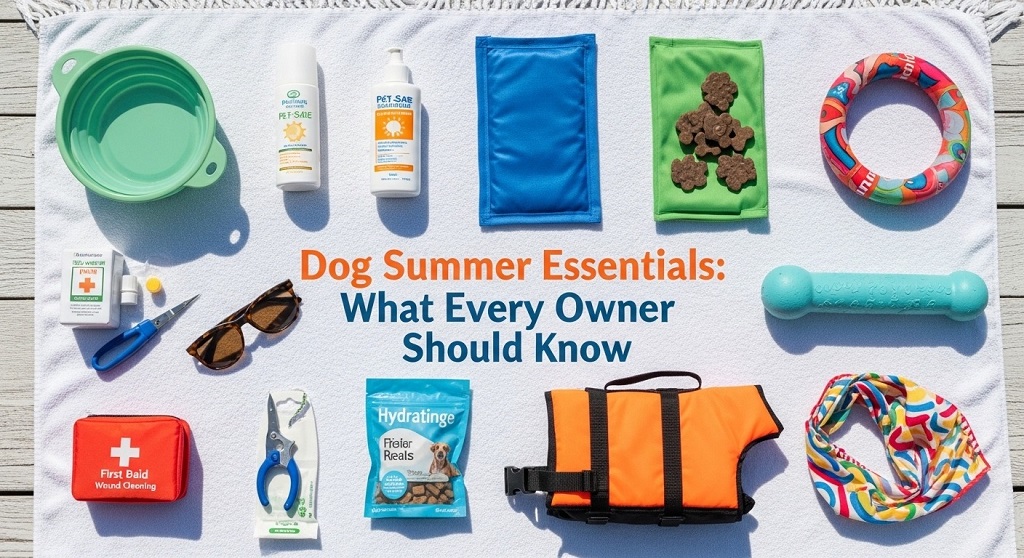
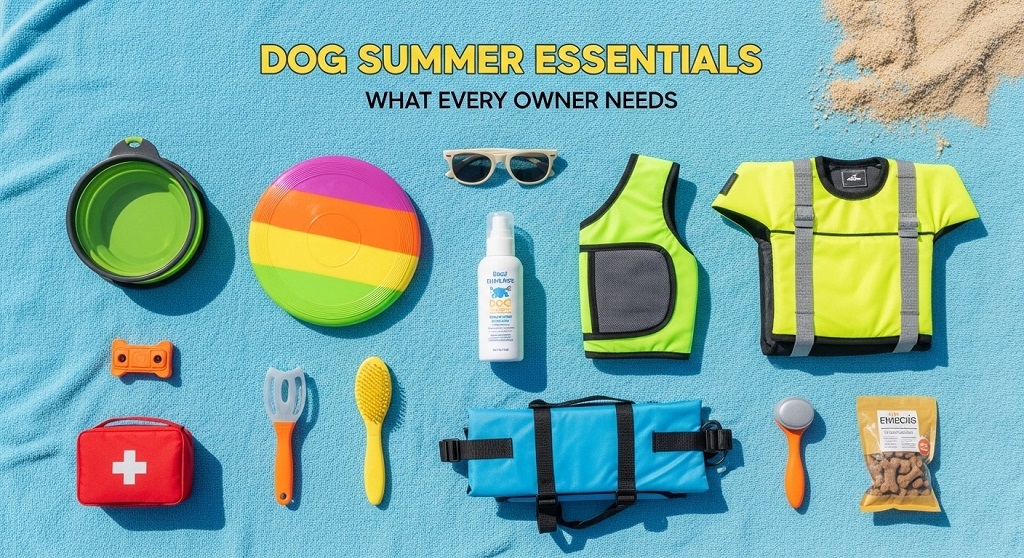
A complete dog summer checklist includes hydration tools, cooling gear, paw protection, sun safety items, and temperature monitoring devices.
Start with hydration essentials. You need a collapsible water bowl that holds at least 24 ounces. Portable water bottles with attached bowls work for walks. Install multiple water stations around your yard. Refill them three times daily minimum.
Paw protection prevents painful burns. Dog booties shield paws from hot surfaces. Choose breathable mesh designs with rubber soles. Musher’s Secret wax creates a protective barrier if your dog refuses booties. Apply it 30 minutes before outdoor exposure.
Sun protection matters, especially for dogs with pink skin, white fur, or thin coats. Dog-safe sunscreen with SPF 30 or higher protects vulnerable areas: nose, ear tips, belly, and groin. Never use human sunscreen containing zinc oxide or PABA—both are toxic to dogs.
Add these hot climate pet gear items to your checklist:
- Elevated dog bed with mesh fabric for air circulation
- Battery-powered fan for outdoor shade areas
- Frozen treat molds for homemade dog popsicles
- Reflective leash and collar for evening walks
- Digital thermometer for quick temperature checks
- Pet-safe ice packs for emergency cooling
- Kiddie pool (3 feet diameter minimum for medium dogs)
The American Kennel Club recommends storing emergency supplies in a grab-and-go bag: electrolyte powder, instant cold packs, and your vet’s after-hours number.
How Do I Keep My Dog Cool in Extreme Heat?
Keep dogs cool through strategic timing, environmental modification, and active cooling techniques that lower body temperature safely.
Timing transforms everything. Walk your dog before 8 AM or after 8 PM when pavement cools below danger levels. A study from Arizona State University found surface temperatures drop by 40-50 degrees within two hours of sunset.
Create multiple cooling zones indoors. Position fans near your dog’s favorite spots. Air circulation across wet fur accelerates cooling. Close curtains on sun-facing windows to block heat gain. One Texas dog owner reported a 12-degree temperature difference between curtained and open rooms during a 2023 heat wave.
Active cooling requires careful execution. Wet your dog’s paws, belly, and neck—areas with high blood vessel concentration. Avoid ice-cold water, which constricts blood vessels and traps heat inside. Room-temperature or slightly cool water works better.
Frozen treats provide internal cooling. Mix low-sodium chicken broth with water, freeze in ice cube trays. Your dog consumes fluids while cooling down. Skip dairy-based treats—many dogs are lactose intolerant.
Grooming strategy varies by breed. Never shave double-coated breeds like German Shepherds or Golden Retrievers. Their undercoat provides insulation against both heat and cold. Removing it causes more harm than good. Professional grooming to remove dead undercoat helps. Full shaves don’t.
Monitor these warning signs of overheating:
- Excessive panting with tongue extended fully
- Drooling thicker than normal saliva
- Bright red or purple gums
- Lethargy or unwillingness to move
- Vomiting or diarrhea
- Disorientation or stumbling
If you spot these symptoms, move your dog to shade immediately, offer small amounts of water, and contact your veterinarian. Don’t delay. Heatstroke progresses rapidly.
What Hot Climate Pet Gear Actually Works?
Effective hot climate pet gear focuses on temperature reduction, hydration accessibility, and surface protection with proven cooling technology.
Cooling vests lead the pack. The Ruffwear Swamp Cooler uses evaporative cooling that drops skin temperature by 8-12 degrees. Soak it for 60 seconds, wring out excess, and secure it on your dog. Effectiveness lasts 2-3 hours before re-wetting becomes necessary.
Budget-conscious owners achieve similar results with wet bandanas tied around the neck. Not as effective as full vests, but better than nothing. Cost: under $5.
Elevated dog beds with mesh fabric outperform traditional bedding in heat. The Coolaroo bed allows air circulation underneath and through the fabric. Temperature difference between elevated mesh and floor-level cushions? About 6-8 degrees, based on owner measurements shared in dog forums.
Automatic water dispensers solve the refilling problem. The PetSafe Drinkwell fountain holds 70 ounces and filters continuously. Moving water encourages drinking—dogs consume 30% more from fountains versus bowls, according to veterinary behaviorists.
Paw protection options break into two categories. Booties provide complete coverage but many dogs hate wearing them. Success rate for bootie acceptance? Roughly 40% based on owner surveys. For bootie-resistant dogs, paw wax like Musher’s Secret creates a protective layer. Apply every other day during peak summer.
Cooling mats use three technologies: gel-based, water-activated, or phase-change materials. The Green Pet Shop mat uses pressure-activated gel that stays cool for 3-4 hours. No refrigeration needed. No electricity required. Dogs weighing 50-70 pounds need a 32×44 inch mat minimum.
Misting systems transform outdoor spaces. A basic garden hose misting kit costs $25-40 and reduces ambient temperature by 15-20 degrees in shaded areas. Attach to patio covers or pergolas. Your dog gains a genuinely cool outdoor zone.
Can Dogs Get Sunburned and How Do I Prevent It?
Yes, dogs absolutely get sunburned, especially those with white or light-colored fur, thin coats, or pink skin.
The nose takes the most damage. It protrudes, has minimal fur coverage, and faces direct sun exposure. Ear tips on upright-eared breeds face similar risks. The belly and groin on dogs who lie on their backs also burn easily.
Dalmatians, Bull Terriers, Whippets, and Greyhounds show the highest sunburn rates. Any dog with pink skin visible through white fur needs sun protection. A 2021 veterinary dermatology study found that 35% of white-coated dogs develop some degree of sun damage by age seven without protection.
Prevention requires dog-specific sunscreen. Human formulas contain ingredients toxic to dogs. Zinc oxide causes hemolytic anemia if licked and ingested. PABA triggers allergic reactions.
Safe options include Epi-Pet Sun Protector or Warren London Sun Protection Spray. Both are veterinarian-approved with SPF 30+. Apply 30 minutes before sun exposure. Reapply every two hours during extended outdoor time.
Target these high-risk areas:
- Bridge of nose
- Ear tips (especially on upright breeds)
- Belly (particularly on dogs who sun themselves)
- Groin area
- Any surgical scars with minimal fur coverage
Limit midday sun exposure between 10 AM and 4 PM when UV radiation peaks. Provide shaded areas wherever your dog spends time. A shade cloth blocks 90% of UV rays while allowing airflow.
Sunburn symptoms appear 3-12 hours after exposure: red skin, tenderness to touch, possible blistering. Severe cases require veterinary treatment. Repeated sunburns increase skin cancer risk significantly.
What Are the Biggest Summer Mistakes Dog Owners Make?
The most dangerous summer mistake is leaving dogs in parked cars, but several other common errors cause serious problems.
Car temperatures kill. At 80°F outside, interior car temperature reaches 99°F within 10 minutes and 109°F within 20 minutes, according to Stanford University research. Cracking windows makes virtually no difference—maybe 2-3 degrees. Even on a mild 70°F day, cars become deadly.
Result? Over 30 dogs die annually from vehicular heatstroke in the United States based on reporting from animal welfare organizations. The actual number is likely higher since not all cases get reported.
Exercise timing errors rank second. Owners maintain regular routines despite temperature changes. A noon walk in June differs drastically from a noon walk in February. That difference hospitalizes dogs every summer.
One documented case: A Golden Retriever in Nevada collapsed after a 30-minute midday hike at 92°F. The owner believed the dog’s fitness level made it safe. It didn’t. The dog required emergency IV fluids and spent two nights under veterinary care.
Underestimating humidity causes trouble. Owners focus solely on temperature readings. But 85°F with 90% humidity is far more dangerous than 95°F with 20% humidity. Check heat index, not just temperature.
Water neglect happens more than you’d think. Owners fill bowls once daily. Not enough. Dogs need constant access to fresh, cool water. Refill every few hours. Outdoor water heats rapidly—a bowl sitting in partial sun reaches 95°F within an hour.
Over-grooming double-coated breeds backfires. Shaving a Husky or Shepherd doesn’t help them stay cool. Their coat regulates temperature both ways. Removing it eliminates natural climate control and increases sunburn risk.
Ignoring breed-specific vulnerabilities creates problems. Brachycephalic breeds (Bulldogs, Pugs, Boston Terriers) cannot tolerate heat like other dogs. Their compressed airways make cooling through panting inefficient. These breeds need air conditioning when temperatures exceed 75°F.
Conclusion
Summer safety isn’t complicated. It requires awareness, preparation, and consistent action.
Your dog summer checklist starts with the basics: water access, cooling gear, paw protection, and schedule adjustments. Add breed-specific considerations. Monitor temperature and humidity daily. Recognize warning signs before they become emergencies.
The hot climate pet gear market offers genuine solutions. Cooling vests work. Elevated beds make a difference. Paw wax prevents burns. These aren’t luxuries—they’re necessities when temperatures climb.
Data proves prevention works. BluePearl’s follow-up study showed a 40% reduction in heatstroke cases among owners who implemented comprehensive summer safety protocols. That’s 480 dogs saved in Arizona alone through simple preventive measures.
Your dog depends on you to make smart decisions.
Take action now: Review your current setup against this checklist. Order missing gear today. Download a weather app that shows heat index. Schedule walks for early morning starting next week. Your dog’s safety starts with one decision followed by consistent follow-through.
Summer lasts months. Preparation lasts longer. Start protecting your dog today.
Frequently Asked Questions
How much water should my dog drink in summer?
Dogs need approximately one ounce of water per pound of body weight daily, with requirements increasing by 50-100% in hot weather. A 50-pound dog should consume 50-100 ounces in summer. Monitor intake and refill bowls multiple times daily. Increased panting raises water needs significantly.
Can I give my dog ice cubes to cool down?
Yes, ice cubes are safe for most dogs when given in moderation. They provide hydration and cooling. However, dogs with sensitive teeth or a history of bloat should receive smaller ice chips instead. Never force-feed ice to an overheated dog—offer small amounts with room-temperature water available.
What’s the best time to walk my dog in summer?
Walk before 8 AM or after 8 PM when pavement temperature drops below 120°F. Test surfaces with your hand first. Morning walks are typically cooler than evening walks due to overnight temperature drops. Adjust timing based on your local climate and daily temperature patterns.
Do dogs need sunscreen even with fur?
Yes, particularly dogs with white or light fur, pink skin, thin coats, or hairless breeds. Apply dog-safe sunscreen (never human formulas) to the nose, ear tips, belly, and any areas with sparse fur coverage. Reapply every two hours during extended sun exposure.
How do I know if my dog is overheating?
Warning signs include excessive panting, thick drooling, bright red gums, lethargy, vomiting, disorientation, and collapse. If you observe these symptoms, move your dog to shade immediately, offer small amounts of water, apply cool (not cold) water to paws and belly, and contact your veterinarian urgently.
Should I shave my long-haired dog for summer?
No, never shave double-coated breeds like Huskies, German Shepherds, or Golden Retrievers. Their coat provides insulation against both heat and cold. Professional grooming to remove dead undercoat helps with temperature regulation. Shaving eliminates natural protection and increases sunburn risk.
Is it safe to leave my dog outside during summer?
Only with proper precautions: access to multiple shaded areas, constant fresh water, limited exposure during peak heat hours (10 AM – 4 PM), and regular monitoring. Brachycephalic breeds and senior dogs should remain indoors with air conditioning when temperatures exceed 80°F. Never leave any dog outside without shade and water.
Related Topics: How to Choose a Surf Fishing Rod for Beginners
What Next: Five considerations when repairing your roof