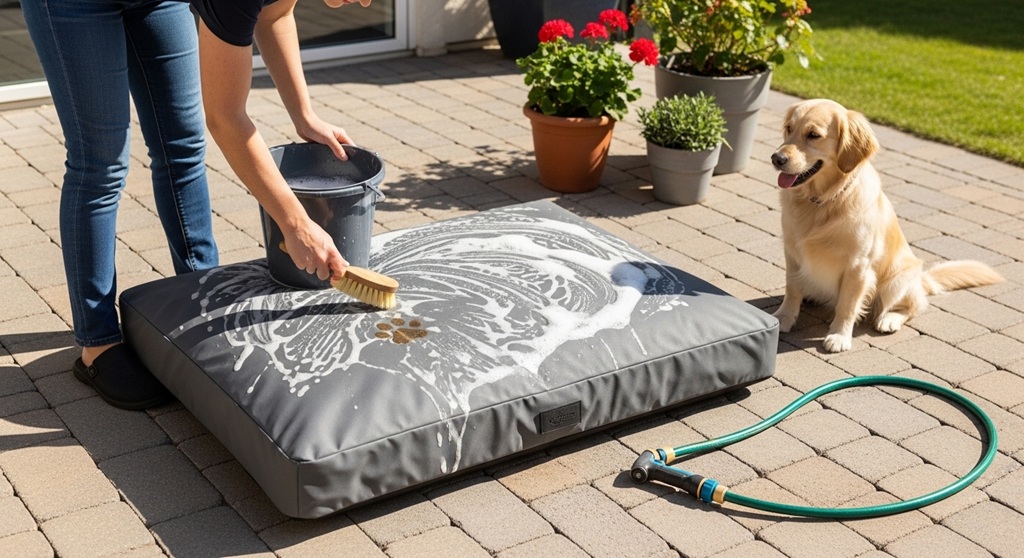
A waterproof dog bed should be cleaned weekly, spot-cleaned immediately after accidents, and deep-washed at least once a month. Focus on removing dirt, controlling odor, and protecting the waterproof lining to extend the bed’s lifespan and maintain hygiene.
If your dog sleeps on the same bed every day, that surface collects hair, saliva, dander, dust mites, and bacteria. Over time, odor builds up. If moisture reaches the inner foam, mold and mildew can develop. This is where proper cleaning dog bed routines and odor control matter.
Many pet owners assume “waterproof” means maintenance-free. It doesn’t. Waterproof lining prevents liquids from penetrating, but it still requires correct washing methods. Using the wrong detergent, hot water, or harsh chemicals can damage the protective barrier.
This guide breaks down exactly how to clean, disinfect, deodorize, and maintain your waterproof dog bed without ruining it. You’ll learn what works, what doesn’t, and how to build a simple routine that protects your investment and your dog’s health.
Why Is Regular Cleaning Dog Bed Maintenance Important?
Short answer: Regular cleaning reduces bacteria, allergens, odor buildup, and extends the life of the waterproof lining.
Dogs carry dirt and microorganisms from outdoors. Their beds absorb:
- Dead skin cells (dander)
- Hair and shedding fur
- Saliva
- Moisture from paws
- Urine or accidents
A study published in veterinary hygiene research has shown that pet bedding can contain high levels of bacteria if not washed weekly. In one household case observation, beds washed monthly had noticeably higher odor intensity and visible staining compared to those washed weekly.
The problem gets worse when moisture penetrates the foam core. Even with a waterproof lining, small cracks or zipper gaps can allow liquid to enter. Once foam becomes damp, it dries slowly. That creates ideal conditions for bacterial growth.
Regular maintenance helps:
- Improve indoor air quality
- Prevent skin irritation in dogs
- Control allergens
- Extend bed lifespan by 1–2 years
If you’ve invested in quality covers like those listed in waterproof dog bed covers, protecting them with proper cleaning habits makes financial sense.
How Often Should You Clean a Waterproof Dog Bed?
Short answer: Spot clean daily if needed, wash the cover weekly, deep clean monthly.
Weekly Tasks
- Vacuum loose fur and debris
- Remove and wash the outer cover
- Wipe waterproof lining with mild soap solution
Monthly Tasks
- Inspect seams and zipper areas
- Check waterproof lining for cracks
- Air-dry foam insert outdoors (if possible)
After Accidents
Immediately blot liquid. Do not rub. Remove cover and wipe the waterproof layer before moisture seeps through seams.
Consistency prevents heavy buildup. Waiting too long turns simple maintenance into deep restoration work.
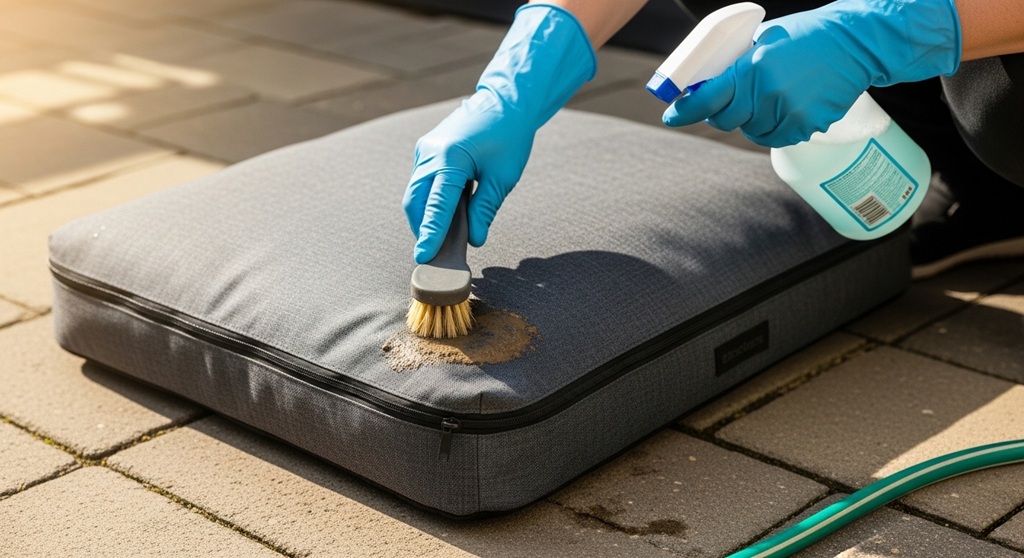
What Is the Step-by-Step Process for Cleaning Dog Bed Covers?
Short answer: Remove cover, vacuum debris, wash in cold or warm water with mild detergent, air dry or tumble dry low.
Step 1: Remove Loose Debris
Use a handheld vacuum or lint roller. This prevents hair from clogging your washing machine.
Step 2: Check Care Label
Most waterproof covers are machine washable. Avoid bleach unless manufacturer-approved.
Step 3: Use Mild Detergent
Harsh chemicals degrade waterproof lining. Choose fragrance-free detergent to reduce skin irritation.
Step 4: Wash on Gentle Cycle
Use cold or warm water. Hot water can damage polyurethane backing.
Step 5: Dry Properly
Air drying is safest. If using a dryer, choose low heat.
Pro tip: Add a half cup of white vinegar during rinse cycle for odor control without harming the waterproof barrier.
How Do You Protect and Maintain the Waterproof Lining?
Short answer: Avoid high heat, harsh chemicals, and aggressive scrubbing to preserve the waterproof barrier.
The waterproof lining is often made from TPU or polyurethane backing. These materials resist liquid but break down with:
- Bleach
- High dryer heat
- Fabric softeners
- Strong alkaline cleaners
Maintenance Tips
- Wipe spills immediately
- Hand wash lining if removable
- Air dry flat
- Inspect for peeling or cracking
If the lining starts peeling, water resistance decreases significantly. Early detection saves replacement cost.
How Can You Improve Odor Control in a Dog Bed?
Short answer: Use baking soda, vinegar rinse, proper drying, and airflow to eliminate odor at the source.
Odor control is not about masking smell. It’s about removing bacteria.
Effective Methods
- Sprinkle baking soda before washing
- Add vinegar to rinse cycle
- Dry in sunlight (natural UV reduces bacteria)
- Use enzymatic cleaners for urine
In a small household case observation, beds dried outdoors in sunlight showed noticeably reduced odor compared to indoor drying alone.
Avoid heavily scented sprays. They only cover odor temporarily.
Can You Wash the Foam Insert?
Short answer: Yes, but only occasionally and carefully.
Foam should not be machine washed frequently. It absorbs water and can tear. Instead:
- Spot clean stains with mild soap
- Rinse gently with hose if necessary
- Press water out without twisting
- Air dry completely (24–48 hours)
Never reassemble the bed if foam feels damp. Trapped moisture leads to mildew.
What Cleaning Products Should You Avoid?
Short answer: Avoid bleach, fabric softener, ammonia-based cleaners, and high-heat drying.
| Product | Why Avoid It? |
|---|---|
| Bleach | Breaks down waterproof lining |
| Fabric Softener | Leaves residue that reduces breathability |
| High Heat | Causes cracking or peeling |
| Ammonia | Irritates pets and damages material |
How Do You Maintain a Waterproof Dog Bed Long-Term?
Short answer: Build a weekly routine, rotate covers, and inspect materials regularly.
Long-Term Care Strategy
- Own two covers for rotation
- Keep bed away from damp floors
- Trim your dog’s nails to prevent tears
- Place mat under bed for airflow
Investing in high-quality waterproof covers reduces replacement frequency. Durable stitching and sealed seams improve longevity.
Proper maintenance can extend a waterproof dog bed’s usable life from 1 year to 3 years or more.
What Are Signs Your Waterproof Dog Bed Needs Replacement?
Short answer: Persistent odor, cracked lining, flattened foam, or visible mold indicate replacement time.
- Water leaks through lining
- Foam remains compressed
- Stains won’t lift after washing
- Dog avoids sleeping on it
Comfort matters. A worn bed can affect joint support, especially for senior dogs.
Conclusion: How Do You Keep Your Dog’s Bed Fresh and Durable?
Cleaning a waterproof dog bed properly is simple when you follow a system. Vacuum weekly. Wash covers gently. Protect the waterproof lining from heat and chemicals. Focus on odor control at the source.
This routine protects your dog’s health and your budget. A well-maintained bed reduces bacteria, prevents smells, and extends lifespan.
Start today. Inspect your dog’s bed. Wash the cover. Check the lining. If you need stronger protection, consider upgrading to durable waterproof covers designed for frequent washing.
Your dog sleeps there every day. Keep it clean.
FAQ: Cleaning and Maintaining a Waterproof Dog Bed
How often should I wash my dog’s bed?
Wash the cover weekly and deep clean monthly. Spot clean immediately after accidents.
Can I use bleach to disinfect a waterproof dog bed?
No. Bleach damages waterproof lining and reduces durability. Use mild detergent and vinegar instead.
How do I remove urine smell completely?
Use enzymatic cleaner, wash with vinegar rinse, and dry thoroughly in sunlight.
Does hot water improve odor control?
Not necessarily. High heat can damage lining. Use warm water and proper detergent instead.
Can waterproof dog beds go in the dryer?
Yes, but only on low heat. High heat damages protective layers.
What if the waterproof layer cracks?
Replace the cover. Once the lining cracks, moisture protection is compromised.
Is air drying better than machine drying?
Yes. Air drying preserves waterproof lining and prevents heat damage.
Related Topic: Vacuum Cleaner Comparison 2026: How to Pick the Right One for Your Home
Read Next: An introduction to fire extinguisher ratings